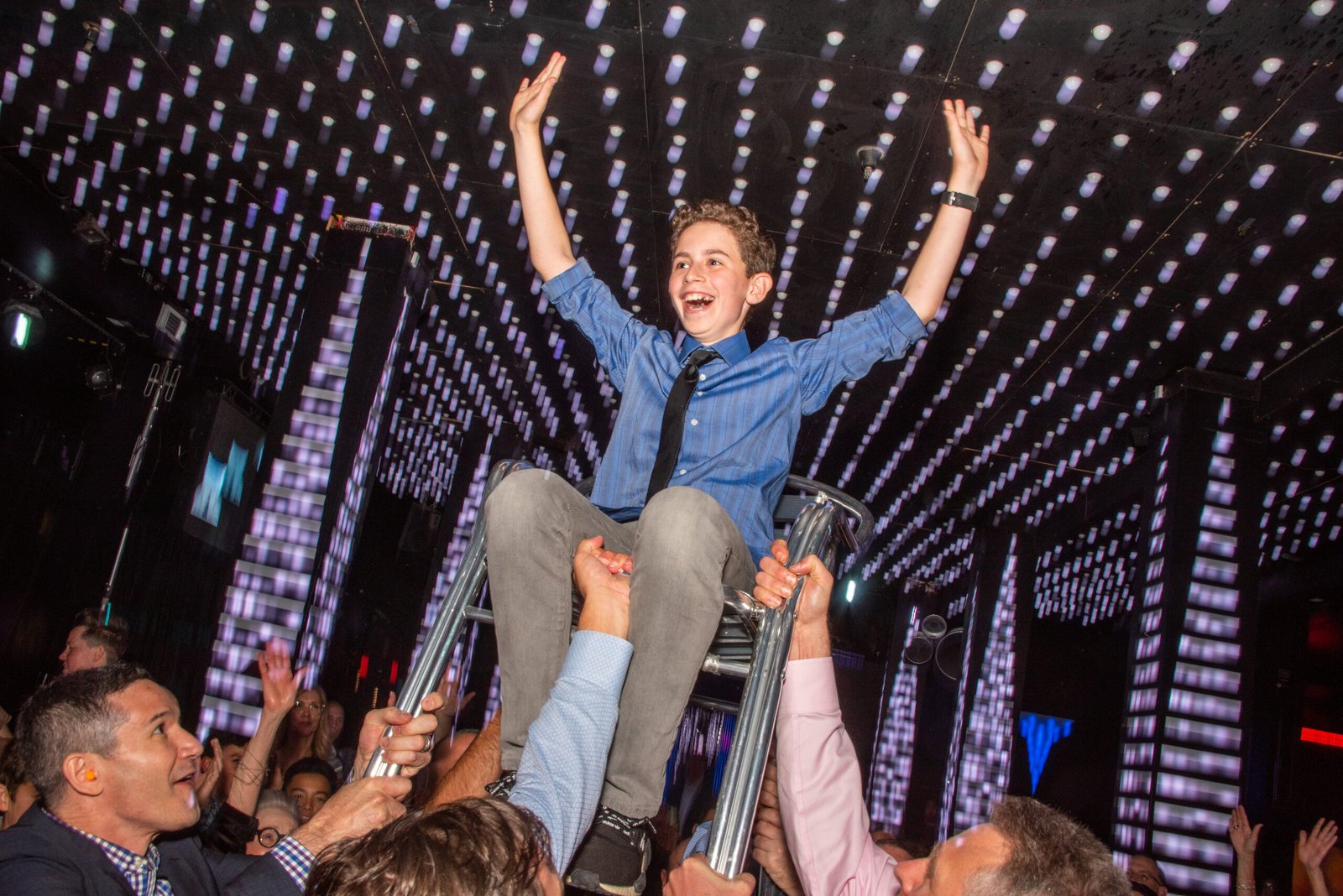
A child stands a little taller as a tallit is placed around their shoulders. A parent pauses during the Torah service, trying to hold back tears. Grandparents watch from the first row, seeing family tradition continue in a new generation. Jewish ceremony photography is about being ready for these quiet, powerful moments as much as it is about documenting the ritual itself.
The best photographs do more than show who attended. They preserve the feeling in the room: the pride, the prayer, the laughter, the hugs that last a beat longer than usual, and the joy of a community gathered for a meaningful milestone. Whether the occasion is a bar or bat mitzvah, wedding, bris or baby naming, anniversary, or another lifecycle celebration, thoughtful photography becomes part of the family record.
At Natural Portraits and Events, our style “Photography with Spirit”. We focus on capturing the real emotions on our subjects having one of the best days of their lives.
What Jewish Ceremony Photography Should Preserve
A Jewish ceremony carries many layers at once. There is the formal structure of the service, but there is also the deeply personal story unfolding within it. One family may be honoring a beloved grandparent by using a treasured kiddush cup. Another may have relatives arriving from across the country for the first time in years. A child may be nervous before stepping onto the bimah, then radiant after completing a reading.
Those details matter because they are what make the occasion yours. Strong coverage includes the wide view of the sanctuary or celebration space, the important ceremonial moments, and the small interactions that can otherwise pass unseen. The hand squeeze before an aliyah. The look exchanged between siblings. The warm greeting from a rabbi, cantor, or lifelong family friend.
For families, these images often gain meaning over time. Years later, a photograph may remind someone not only of what happened, but of who was there, how a room looked, and how loved and supported they felt.
Respectful Preparation Comes Before the First Photograph
Every congregation and family has its own expectations about photography. Some synagogues welcome photography during portions of a service; others do not permit it during Shabbat, holidays, or religious rituals. Some families arrange a separate portrait session before or after the service. These are not obstacles to meaningful images. They are the framework for planning them well.
A photographer should learn the schedule, the synagogue’s guidelines, and the family’s priorities in advance. That conversation can cover when photography is permitted, where a photographer may stand, whether flash is allowed, and which moments are most important to document. It also gives the family a chance to share names and relationships that add depth to the coverage.
For example, a pre-service session can allow time for relaxed portraits of the celebrant with parents, siblings, grandparents, and extended family. It may also create an opportunity to photograph the Torah, tallit, kippah, prayer book, or other meaningful items without interrupting the pace of the day. When the actual ceremony begins, the photographer can work quietly and with a clear understanding of the setting.
The goal is presence, not intrusion
The most successful event photography does not make the ceremony feel staged. A photographer should move with awareness, respect the clergy and congregation, and avoid drawing attention away from the people at the center of the event. Sometimes that means photographing from a distance. Sometimes it means anticipating a moment rather than asking someone to repeat it.
There are trade-offs. A fully candid approach may preserve more spontaneous emotion, while a planned family portrait session ensures that no important combination is missed. Most families benefit from both: a short, organized portrait window and the freedom for the rest of the day to unfold naturally.
The Moments Families Most Want to Remember
A detailed timeline helps make room for the images that matter without turning a celebration into a photo shoot. At a bar or bat mitzvah, that might include portraits before the service, arrival and greetings, the Torah processional when photography is permitted, family embraces afterward, and the energy of the party. At a Jewish wedding, the priorities may include the ketubah signing, badeken, chuppah, breaking of the glass, yichud, hora, and speeches.
Yet the unscripted images are often the ones that become family favorites. A grandparent dancing with the celebrant, cousins reuniting at a cocktail hour, a child asleep against a parent’s shoulder late in the evening – these moments bring the album back to life.
A thoughtful photographer also looks beyond the guest of honor. Parents have been planning, organizing, and feeling the weight of the day for months. Siblings are often having their own emotional experience. Clergy members, teachers, and friends may have played a meaningful role in the journey. Photographing those connections gives the final collection greater emotional range.
Portraits That Still Look Like Your Family
Formal family portraits have a purpose. They honor generations, record relationships, and make it possible to create keepsakes for relatives who could not attend. But they do not need to feel rigid.
The key is efficient direction paired with room for genuine expression. A photographer can arrange groups quickly, make sure everyone is visible, and then watch for the moment after the posed image – when people relax, laugh, or lean closer together. Those in-between frames often feel the most natural.
For multigenerational portraits, timing is especially important. Photographing grandparents and young children early can make the experience easier for everyone. If a family has a long list of requested groupings, it helps to designate one person who knows the relationships and can gather relatives promptly. This small bit of organization protects time for celebration.
Details tell part of the story
The visual details of a ceremony deserve attention, but they should support the people rather than replace them. The embroidery on a tallit, Hebrew lettering on an invitation, a carefully set kiddush table, meaningful jewelry, flowers, or a cake inspired by the occasion can all add texture to the final gallery.
These photographs are particularly valuable when paired with portraits and candid images. Together, they create a fuller memory of the day: the setting, the traditions, and the people who gave those traditions life.
Choosing a Photographer With Cultural Sensitivity
Experience with Jewish events can make planning easier because the photographer understands the pace and emotional landmarks of the day. Still, no two families observe in exactly the same way. Reform, Conservative, Orthodox, Reconstructionist, interfaith, and secular Jewish families may have different customs, preferences, and synagogue policies. The right photographer listens rather than assumes.
Ask how the photographer handles religious restrictions, manages large family groups, works in low light, and prepares for fast-moving celebrations. Review whether their images show real connection, not only décor and posed smiles. It is also worth discussing delivery expectations, especially if you hope to share a few favorite images soon after the event with family members who traveled far to attend.
For Bay Area families, a local photographer who has worked across varied venues and communities can bring helpful practical knowledge while keeping the experience personal. At Natural Portraits & Events, that approach is rooted in Photography with Spirit: artistic, emotion-filled images made with attentive planning and hands-on care.
Give the Day Room to Breathe
The most moving Jewish ceremony photographs are rarely created by rushing from one required image to the next. They come from thoughtful preparation, clear communication, and enough space for people to be present with one another.
When the day is over, the flowers are packed away and guests return home, photographs remain as a living connection to the blessings, traditions, and people who made the occasion meaningful. Plan for the essential portraits, honor the practices that matter to your family, and leave room for the joy that cannot be scheduled.