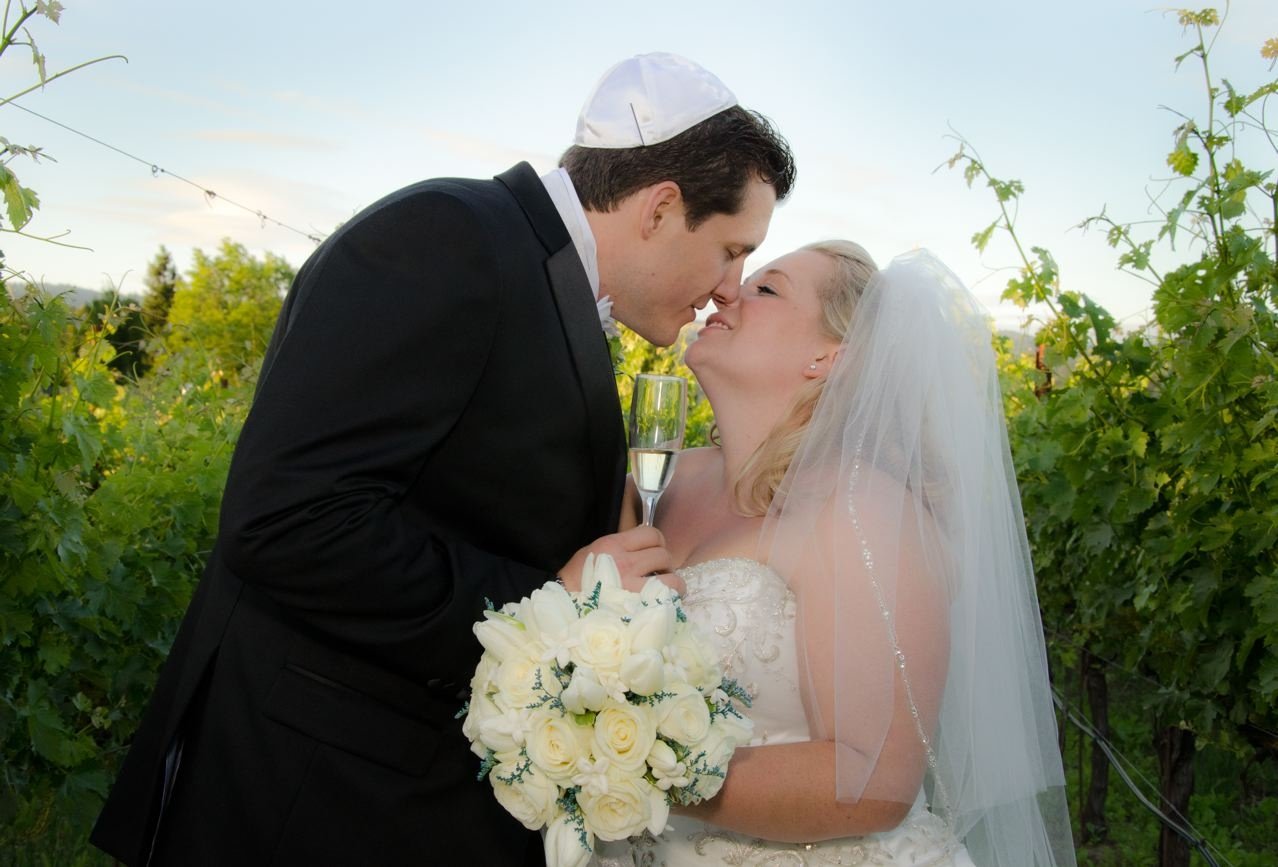
A vineyard ceremony can change by the minute. Sunlight that feels soft and golden during your first look may turn bright at the altar, while a cool evening breeze moves through the olive trees just as dinner begins. A Napa wine country wedding photographer needs more than an eye for beautiful scenery. They need the experience to anticipate changing conditions, honor the pace of the day, and make photographs that bring you back to the feeling of being surrounded by your favorite people.
The best wedding photographs from Sonoma or Napa are never only about the rolling hills, vines, or elegant architecture. Those details set the stage. What matters most is the hand squeeze before the ceremony, your parents watching you exchange vows, the friends who fill the dance floor, and the small quiet moments that might otherwise pass unnoticed.
At Natural Portraits & Events, we have been photographing wine Country weddings for over 15 years. Out unique style, “Photography with Spirit” focuses on capturing all the emotion, love and energy of your Sonoma or Napa wedding.
What Makes a Sonoma or Napa Wedding Photography Different
Napa Valley offers extraordinary settings, but it also asks more of a photographer. Many venues have wide-open ceremony spaces, strong afternoon sun, long walking distances, and tight timelines shaped by hospitality service, sunset, and local venue rules. A photographer should know how to work gracefully within those realities without making the day feel like a production.
Vineyard landscapes can look expansive in photographs, but they are at their best when they serve the people in the frame. A sweeping portrait has its place, especially near sunset, yet it should not consume the entire cocktail hour or pull you away from the celebration you worked so hard to create. Thoughtful coverage balances the grandeur of wine country with the warmth of your relationships.
There is also a meaningful difference between photographing at a beautiful venue and telling the story of a wedding there. The latter requires attention to family dynamics, cultural traditions, spontaneous humor, and the energy of a room. These are the images that gain meaning over time.
How to Choose a Sonoma or Napa Wine Country Wedding Photographer
Start by looking beyond a photographer’s highlight images. A portfolio should show beautiful portraits, certainly, but it should also reveal complete moments: a ceremony in difficult light, natural reactions during toasts, family groupings that feel relaxed, and reception photographs with real movement and emotion.
Ask to see work from weddings with a schedule and setting similar to yours. If you are planning a late-afternoon outdoor ceremony, you want confidence that the photographer can handle bright light before sunset. If your reception will be inside a historic cellar, under market lights, or beneath a tent, look for images that preserve the warmth of the room without losing the faces and expressions within it.
A good conversation is equally revealing. Your photographer should ask about the people who matter most, any delicate family circumstances, meaningful rituals, your priorities for portraits, and the atmosphere you hope guests will feel. This is not unnecessary detail. It is how a photographer prepares to recognize what matters when the day is moving quickly.
Look for a Style That Feels Like Your Life
Editing trends come and go. Extremely dark images can hide the joy in a reception, while overly pale or heavily filtered photographs can make a vineyard look unlike the place you chose. Look for color that feels believable, skin tones that are thoughtfully rendered, and images that retain detail in wedding attire, flowers, and the landscape.
Style is also about how the photographer sees people. Some couples want a highly editorial experience with extensive direction and carefully composed fashion-inspired portraits. Others want a more candid record of laughter, tears, and connection. Most weddings benefit from both: gentle direction for the portraits you will frame and a watchful, unobtrusive approach for everything that cannot be recreated.
The right fit depends on you. If being photographed makes you nervous, choose someone whose work shows relaxed people rather than stiff poses. If portraits are a major priority, make room for them in the timeline and find a photographer who can guide you efficiently and kindly.
Ask About the Full Wedding-Day Experience
Photography is not just the gallery delivered afterward. It is the experience of having another person beside you during intimate, high-stakes hours. Reliability, calm communication, and a respectful presence matter.
Discuss how much coverage you need based on your actual plans. A smaller wedding may still benefit from comprehensive coverage if there are getting-ready moments, a first look, family portraits, a ceremony, dinner, and dancing in different locations. Conversely, an intimate celebration with a short guest list may not require a full-day production. The goal is not to purchase more hours than necessary. It is to leave enough room for the story to unfold without rushing every meaningful moment.
Ask how the photographer approaches family photographs. An organized plan and a designated family helper can make this portion of the day quick, warm, and surprisingly easy. Share a concise list of essential groupings in advance, especially when grandparents, young children, blended families, or out-of-town relatives are involved.
Build a Timeline That Protects the Light and the Joy
A strong timeline gives you better photographs because it gives you a better experience. It creates breathing room when hair and makeup run late, when guests want to hug you, or when a parent needs a few extra minutes before the ceremony.
For outdoor Wine Country weddings, consider scheduling portraits around softer light. Early afternoon is often best for indoor preparation, detail photographs, and a first look in open shade. Later in the day, a short portrait session near sunset can create the luminous vineyard imagery many couples love. The exact timing depends on the season, the venue’s orientation, and where the sun falls on your wedding date.
Do not assume sunset portraits need to be lengthy. Ten or fifteen focused minutes may be all you need. A photographer who understands light can choose an efficient location and bring you back to your guests before you miss the heart of cocktail hour or the beginning of dinner.
If you prefer not to see each other before the ceremony, that choice is completely valid. It simply means planning more portrait time afterward and being realistic about daylight. In fall, when the light changes earlier, this can be especially important. Your photographer and planner should help you weigh the trade-off rather than steering you toward a tradition that does not feel right for you.
The Details Worth Sharing Before the Wedding
The more your photographer knows, the more personally they can tell the story. Share the names of people who will play important roles, family heirlooms you are wearing, private letters or gifts, cultural or religious elements, and any surprises planned for the reception. A photographer cannot be everywhere at once, but thoughtful preparation helps them be in the right place when it counts.
It is also helpful to explain what you do not want. Perhaps you value candid guest photographs more than flat-lay details, or perhaps you would rather spend time with your guests than take many posed images. Clear preferences give your photographer a useful creative framework.
At Natural Portraits & Events, this kind of preparation is part of Photography with Spirit: making room for vivid, artistic photographs while staying attentive to the emotional reality of the day. The finest images are often created not through interruption, but through presence.
Trust the Moments Between the Planned Ones
Your ceremony, portraits, and reception entrance will be photographed. Those are expected. But the photographs you may treasure most can arrive in the spaces between: a sibling adjusting your veil, an old friend wiping away a tear, a grandparent taking in the room, or the two of you sharing a breath before joining the party.
Choose a photographer whose work makes you feel something, not simply someone whose locations look impressive. Both Sonoma and Napa will provide the vineyards, the light, and the sense of occasion. Your photographer’s lasting job is to preserve the people, the feeling, and the spirit of the day so those memories remain close long after the last glass is poured.
Leave a Reply