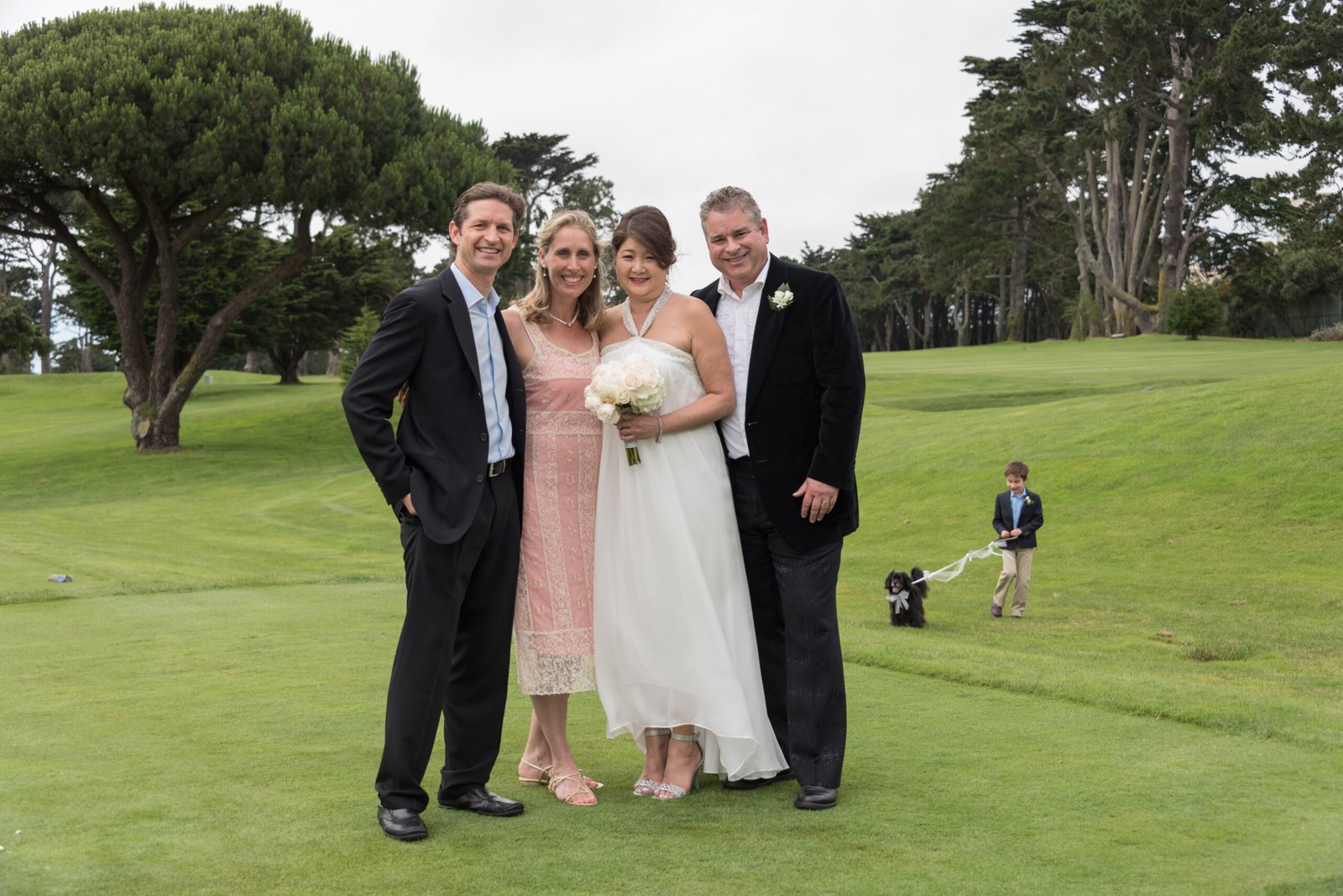
A destination wedding begins long before the ceremony. It begins when a guest opens the invitation and imagines flights, time away from work, a new place, and the joy of celebrating someone they love. Good destination wedding etiquette recognizes that excitement and effort at the same time. The goal is not to make every detail formal. It is to make people feel genuinely welcomed, informed, and considered.
For couples, that means planning with generosity and clarity. For guests, it means arriving prepared to participate fully without treating the trip as a vacation that happens to include a wedding. When everyone understands the balance, the weekend has room for the moments that matter most: a parent’s toast, friends reunited at dinner, a quiet look before the ceremony, and photographs that hold the real spirit of the celebration.
At Natural Portraits and Events, we’ve bee photographing weddings of all types for over 16 years. You can see many examples here on our website.
Destination Wedding Etiquette Starts With Honest Expectations
A destination wedding asks more of guests than a local celebration. Even a nearby Napa or Sonoma wedding can involve hotel costs, transportation, and a full weekend away. An event across the country or abroad may require passports, childcare arrangements, and substantial travel expenses. Couples do not need to apologize for choosing a meaningful location, but they should communicate early enough for loved ones to make an informed decision.
Save-the-dates should go out as soon as the date and destination are confirmed, ideally eight to 12 months ahead for a faraway wedding. Formal invitations can follow later, but the early notice gives guests time to compare flights, request vacation days, and decide whether attending is realistic.
Make the Invitation Useful, Not Overwhelming
An invitation suite or wedding website should clearly state the wedding date, city or resort area, suggested airport, hotel options at different price points, transportation plans, and the RSVP deadline. If the celebration includes several events, identify which are hosted and which are optional.
Clarity is a kindness. Guests should not have to guess whether a welcome dinner includes everyone, whether the ceremony requires a shuttle, or whether a beachside reception calls for formal attire. A thoughtful itinerary also helps older relatives, families with children, and anyone who needs to plan around mobility, dietary, or religious considerations.
Avoid language that implies attendance is expected simply because someone received an invitation. A warm note such as, “We would be honored to celebrate with you if you can join us,” leaves room for guests to decline without embarrassment. Some of the people who love you most may not be able to make the trip.
Be Thoughtful About Cost
Couples are not responsible for paying every guest’s travel expenses. They are responsible for being realistic about what the trip will require. A hotel room block with a range of prices, group transportation from the hotel to the venue, and a few local recommendations can make a major difference.
If the destination is especially expensive, consider keeping the guest list more intimate. It can feel uncomfortable to invite a large group when attendance is unlikely or when people may feel pressured to stretch their budget. Another generous option is to host a reception closer to home after the wedding, allowing local friends and family to celebrate without the expense of travel.
Guests, in turn, should decide what they can comfortably spend before saying yes. Accepting an invitation does not mean accepting a financial burden. It is better to decline warmly and send heartfelt wishes than to attend with resentment or arrive unable to cover the costs you agreed to take on.
Destination Wedding Etiquette for Guests
Once you RSVP yes, treat the commitment seriously. Destination logistics are often tightly coordinated, from reserved dinner counts to buses departing at a specific time. A late response or last-minute change can affect more than a place card.
Book travel promptly, especially if the couple has arranged hotel blocks or group transportation. If you choose to stay elsewhere, that is usually fine, but let the couple know if it affects your ability to use scheduled shuttles. Do not assume there will be extra seats or that the wedding party can provide individual rides.
Respect the Weekend Schedule
Many destination weddings include a welcome gathering, ceremony, reception, farewell brunch, or group excursion. You are not required to attend every optional activity, particularly if you need rest, family time, or a little unstructured space. But if you say you will attend a hosted meal or excursion, show up on time.
The couple may have planned one quiet afternoon for themselves, a portrait session at sunset, or a private family dinner. Guests should resist the urge to add their own plans to the wedding schedule. A request for “just one more photo” or an unannounced room visit may seem small, but it can take the couple away from the rare time they have to be present with each other.
Dress for the Place and the Occasion
Destination settings can make attire confusing. A vineyard, tropical beach, historic city, or mountain lodge each has its own practical needs. Follow the stated dress code, then use common sense about weather, walking surfaces, temperature changes, and cultural customs.
A formal beach wedding can still be formal, even if guests are standing near sand. Likewise, a relaxed resort wedding does not mean swimwear is appropriate at a ceremony. Comfortable shoes, a wrap for cooler evenings, and clothing that respects a house of worship or local tradition show consideration without taking attention away from the couple.
Gifts Still Matter, But So Does Your Budget
Traveling a long distance is a meaningful investment, but it does not automatically replace a wedding gift. If your budget allows, send a gift from the registry, contribute to a cash fund, or choose something personal that can be delivered to the couple’s home. Avoid bringing bulky packages on the trip unless the couple has specifically arranged for it.
There is no need to overspend to prove affection. A thoughtful card, a modest gift, and a sincere presence are more meaningful than a gesture that puts you under financial pressure.
Photography Etiquette Protects the Real Moments
Destination weddings are full of images worth preserving: the landscape, travel-worn hugs at the welcome dinner, grandparents watching the vows, and the energy of a dance floor under unfamiliar stars. Yet guests can unintentionally disrupt those moments by stepping into aisles, holding phones high, or posting private images before the couple has had a chance to share their news.
You can see many examples of Natural Portraits and Events wedding photography here on our website.
If the ceremony is unplugged, honor the request completely. Put the phone away and let the professional photographer work without screens in the background. If phones are welcome, take a quick photo from your seat rather than moving into the aisle or standing beside the hired photography team.
During family portraits, give the photographer and couple room to work. These photographs often involve elderly relatives, young children, blended families, and a limited window of good light. A few minutes of patience can preserve a family record that will matter for decades.
Couples can help by communicating photo preferences before the wedding. Let guests know whether you welcome social sharing, prefer a particular hashtag, or would like people to wait until after the ceremony to post. A photographer experienced in emotionally expressive event coverage can also help build a timeline that leaves room for candid connection, not just posed images.
Make Space for Culture, Family, and Accessibility
A destination may carry personal significance because of heritage, faith, family history, or a place the couple loves. Guests should approach unfamiliar customs with curiosity and respect. Read any guidance provided, arrive on time for ceremonial traditions, and avoid treating meaningful rituals as entertainment.
Couples should also consider the needs of the people they most hope will attend. Is the venue accessible for a grandparent using a walker? Are there meal options for dietary needs? Will young children be welcome at every event, or only at the ceremony and reception? Is the itinerary manageable for guests who do not drink or who need downtime?
There is no single right answer to children, plus-ones, or extended-family invitations. What matters is consistency and clear communication. If adults only are invited, state it graciously. If plus-ones are limited, address invitations specifically rather than leaving room for assumptions. These details can feel awkward to discuss, but uncertainty is usually harder on guests than a respectful boundary.
A destination wedding is not measured by how many activities fit into a weekend or how perfect every sunset photograph appears. It is remembered by how people felt while they were there. Give guests the information and grace they need, offer the couple your full attention when you attend, and let the journey make room for the relationships everyone came to celebrate.
Leave a Reply