A seminar can represent months of preparation in a single morning or afternoon. The right seminar photography Bay Area coverage records more than a speaker at a lectern: it shows expertise being shared, colleagues connecting, attendees participating, and the energy that proves the event mattered.
For organizations, associations, educators, and business teams, these images often have work to do long after the chairs are folded. They may support next year’s registration campaign, a press announcement, social media, internal communications, sponsor recognition, or a recruiting effort. That calls for photographs that feel polished and purposeful while remaining true to the room.
Natural Portraits and Events has been photographing business and non-profit events and seminars in the Bay Area for over 16 years. With our style, “Photography with Spirit”, you’ll never get dull, uninteresting photos again. We focus on capturing the engagement, energy and yes, the excitement of what you have carefully planned. Click on our Parties and Events portfolio for many vivid examples.
What Strong Seminar Photography Should Capture
Seminars move quickly, even when the agenda looks simple. There are arrivals, registration conversations, opening remarks, presentations, audience questions, coffee breaks, sponsor interactions, and informal exchanges that can be as meaningful as the formal program. Good coverage considers the full story rather than treating the keynote as the only photograph worth making.
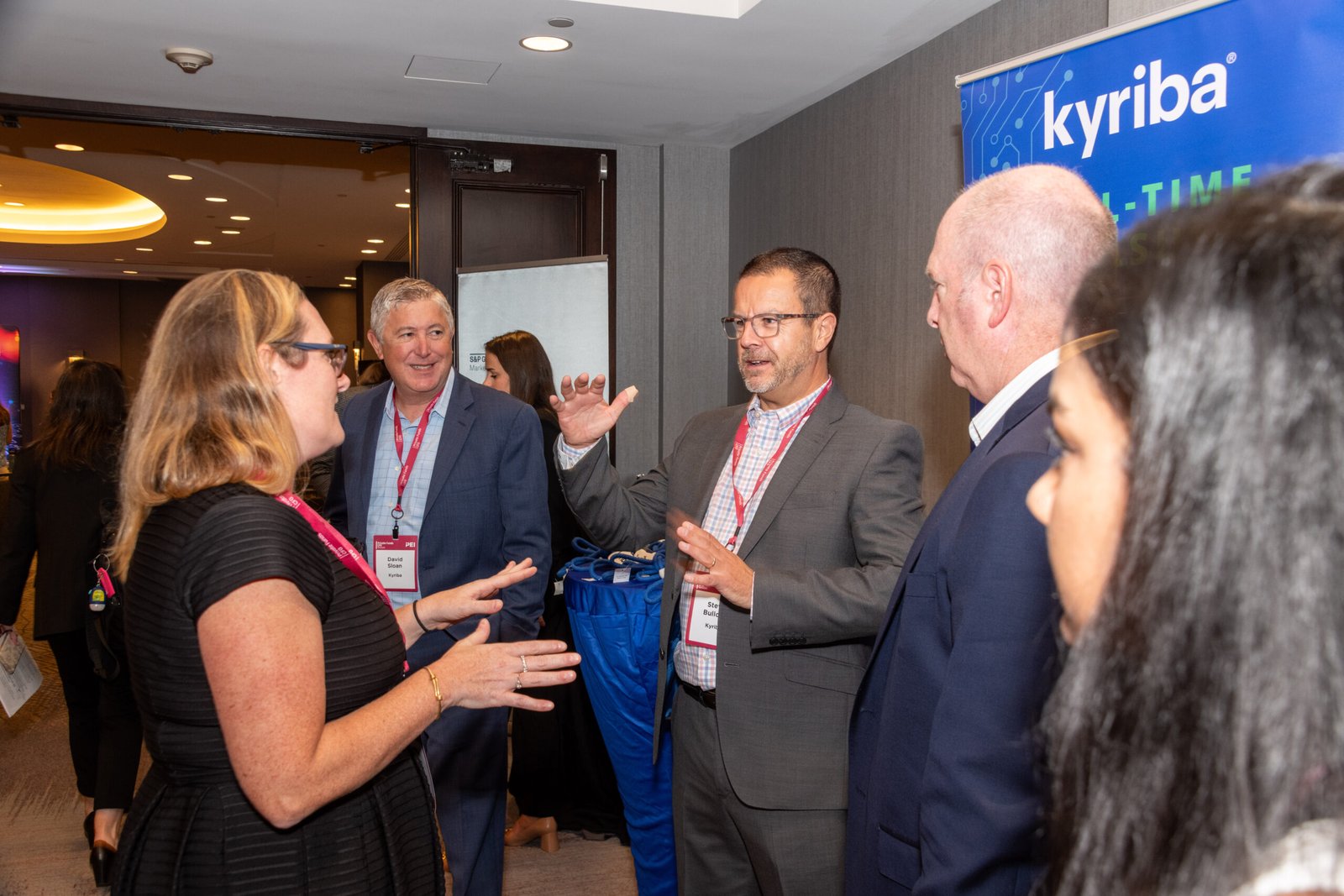
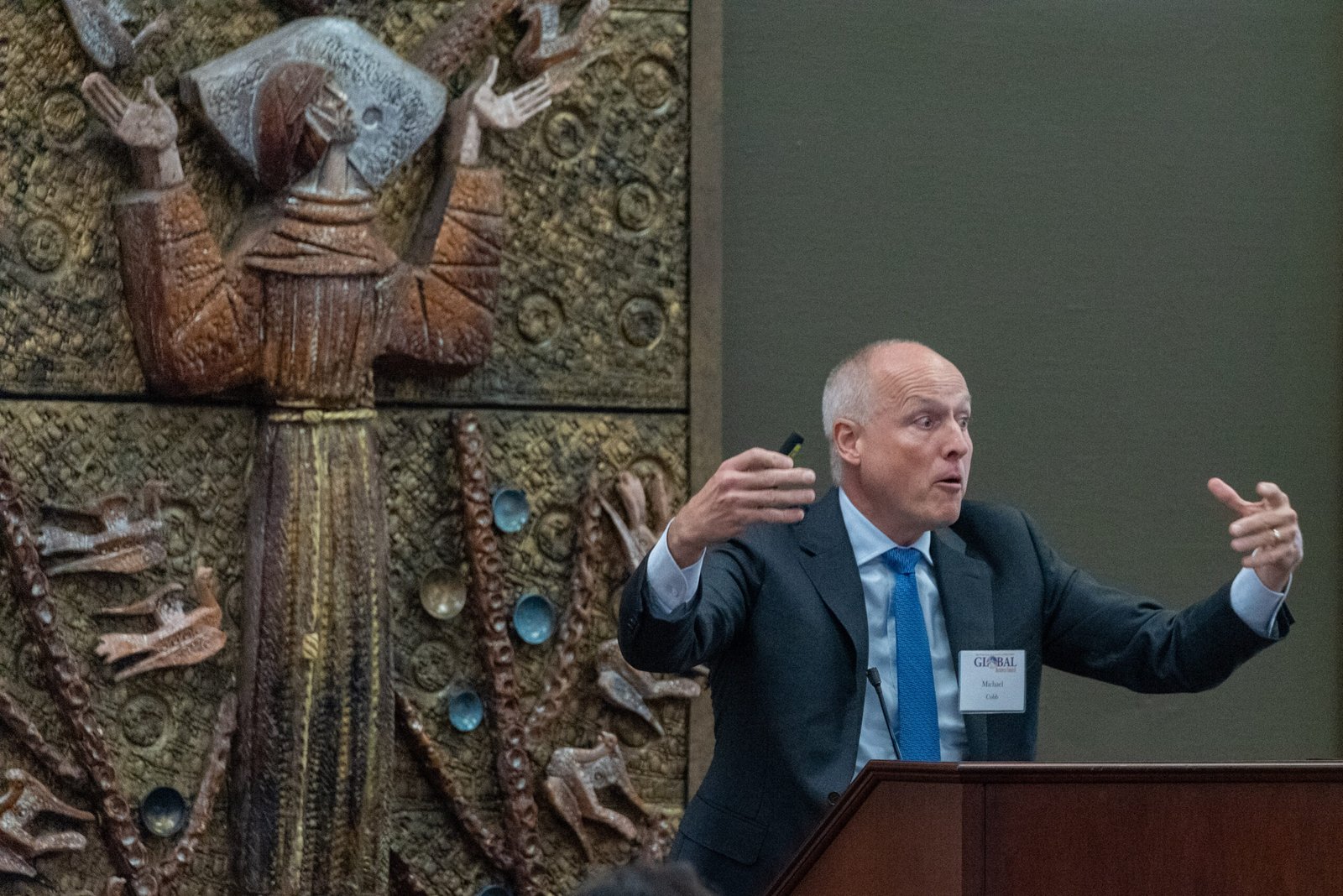
The clearest event galleries balance three kinds of images. First are the establishing photographs that show the venue, signage, stage, audience scale, and careful setup. Next are the essential speaker images: expressive moments, natural gestures, clear branding, and an angle that gives the presenter presence without making the room appear empty. Finally, candid photographs reveal participation – a thoughtful listener, a shared laugh, a conversation between sessions, or a question being asked with genuine interest.
Those candid moments are not filler. They communicate community. For a professional seminar, they help prospective attendees see that the program is active, welcoming, and worth their time.
Seminar Photography Bay Area Planning Starts Before the Event
The most useful event photography is planned with the organizer, not guessed at from the back of the room. Before the seminar, a photographer should understand the schedule, venue layout, expected attendance, major speakers, sponsor obligations, and the intended use of the images. A marketing team building a future campaign needs a different mix of photographs than an association documenting an annual member program.
A short planning conversation can prevent familiar problems. If a sponsor’s logo must appear in a few usable images, it helps to know where the signage will be placed. If a visiting executive has only a ten-minute appearance, that timing needs to be clear. If headshots, award presentations, or group photos are part of the day, those should have an assigned place in the agenda rather than being rushed between sessions.
It is also wise to identify the people who matter most. This is not about producing stiff, ceremonial snapshots of everyone in leadership. It is about making sure key presenters, hosts, board members, sponsors, and partners are photographed in a way that is flattering, engaged, and appropriate to their role.
A realistic shot plan leaves room for the unexpected
A written shot plan provides direction, but an overly rigid one can work against a seminar. The most memorable image may happen during an unplanned conversation after a presentation or when a speaker responds warmly to a difficult audience question. The goal is to cover the required moments while staying alert to the human moments around them.
That balance is especially valuable for events with a community mission. A nonprofit educational program, local business gathering, university seminar, or professional association meeting is often built on relationships. Photographs should make those relationships visible.
The Venue Shapes the Final Images
Bay Area seminar venues range from hotel ballrooms and conference centers to offices, museums, wineries, campuses, and intimate community spaces. Each creates different photographic challenges. A large ballroom may have dramatic stage lighting but very dark audience seating. A bright meeting room can produce harsh window light. An office presentation may place the speaker close to a screen, where projected slides can cast unflattering color across faces.
A photographer who arrives early can assess the room, test the available light, and select unobtrusive positions for key moments. This preparation matters because seminar photography should not interrupt the program. Attendees need to focus on the speaker, and presenters should not be distracted by constant movement or intrusive flash.
There are trade-offs. Ambient light can preserve the atmosphere of a room, but it may not be enough for crisp images when people are moving. Supplemental lighting can improve consistency and skin tones, yet it must be used thoughtfully so it does not distract from a presentation. The right approach depends on the space, the program, and how close the photographer can work without becoming part of the event.
Speaker photographs need more than a clear face
A technically sharp speaker photo can still feel flat. The strongest images capture expression, body language, interaction with the audience, and enough context to show the nature of the presentation. A wide photograph may establish the size and setting of the room. A closer frame can show the speaker’s confidence or the response to an important point.
Slides and screens deserve care, too. Sometimes they are central to the story, such as a product launch, research presentation, or branded training. Other times, photographing every slide adds visual clutter without value. A skilled photographer chooses frames where the screen supports the image rather than competing with the person speaking.
Candid Coverage Builds Trust
People can tell when an event gallery is made entirely of posed handshakes and formal podium shots. Those images have their place, particularly for sponsors and leadership, but they do not tell the whole story. Candid coverage gives a seminar its emotional reality.
Look for attendees taking notes, greeting old colleagues, discussing an idea over coffee, or listening with full attention. These photographs are especially useful for organizations that want to show a culture of learning and connection. They can also be more versatile than a single stage photograph, working well in newsletters, social posts, annual reports, and future event promotions.
Candid does not mean careless. The best event images are made with awareness of posture, background distractions, expressions, and timing. A photographer should be present enough to recognize a meaningful moment, then respectful enough to let it happen naturally.
Quick Delivery Matters, but Quality Still Comes First
Many seminar clients need a small selection of images quickly. A same-day image of a keynote speaker may be useful for live event updates, while a concise gallery soon after the program can help a marketing team maintain momentum. Discuss that need before the event, including who will select images, how they will be delivered, and whether a few priority photographs should be prepared first.
Fast turnaround should not mean rushed, inconsistent work. Images still need careful culling and professional finishing so colors, exposure, and composition feel cohesive across the final collection. The best workflow gives organizers timely assets without sacrificing the quality expected from a significant professional event.
Choosing a Photographer for a Professional Seminar
When evaluating a photographer, look beyond a few attractive individual images. Ask whether their work shows speakers, audiences, groups, environmental details, and genuine interaction. An event photographer should be comfortable working in changing light, moving discreetly through a busy room, and responding calmly when a schedule shifts.
Personal communication is just as important. You should be able to explain the purpose of the seminar and trust that the photographer will listen. At Natural Portraits & Events, that hands-on approach is part of Photography with Spirit: documenting professional occasions with artistic attention, reliable planning, and respect for the people who make the gathering meaningful.
For multi-session programs, consider whether one photographer is sufficient. A single photographer can cover a focused seminar well, particularly when the main action stays in one room. Concurrent sessions, a large registration area, sponsor activations, and requested portraits may call for additional coverage. It depends on the schedule and on what cannot be missed.
Give Your Seminar Images a Life Beyond Event Day
The value of seminar photography grows when it is built into the event plan rather than treated as an afterthought. Use the finished photographs to thank speakers, recognize sponsors, share a meaningful quote from the day, and show prospective attendees what the program feels like. Keep a well-organized archive, too. A strong image from this year’s seminar may become exactly what next year’s invitation needs.
The best photographs leave people with more than proof that a seminar occurred. They preserve the attention in the room, the confidence of the speakers, and the conversations that continue after the final session. That is the spirit worth carrying forward.