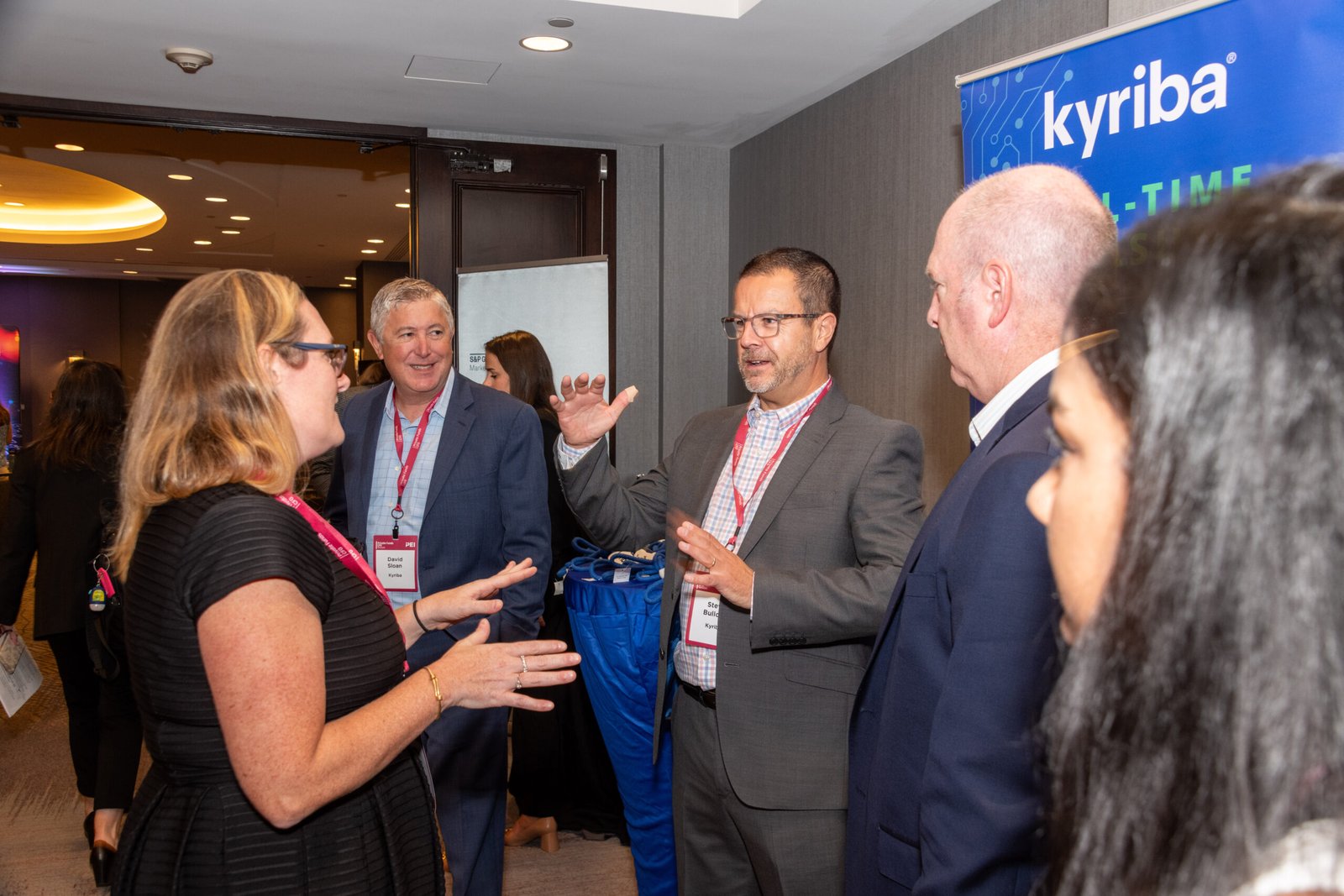
The first busy hour of a trade show can determine whether your visual coverage feels alive or looks like an empty convention hall. A skilled trade show photographer San Francisco exhibitors and event planners can rely on knows how to work quickly: documenting the booth before crowds arrive, finding real conversations as the floor fills, and making speakers, sponsors, products, and guests look their best without interrupting the event.
Trade show photography is not simply proof that an event happened. The right images give a company material for sales follow-up, social media, recruiting, press outreach, future event promotion, and the next year’s exhibitor campaign. They should show energy, purpose, and the people behind the business.
What Strong Trade Show Coverage Actually Delivers
At a convention or industry expo, a wide shot of the room has value. So does a polished image of a keynote speaker. But those images alone rarely tell the whole story. The most useful gallery creates a visual record of how your organization showed up: the team welcoming visitors, a product demonstration drawing interest, a customer asking thoughtful questions, a sponsor receiving visibility, and colleagues reconnecting after a productive conversation.
That range matters because different departments will use the photographs differently. Marketing may need vertical images for social posts and cleaner, horizontal images for newsletters or web banners. Sales teams often need candid pictures that convey a busy booth and genuine customer engagement. Event planners need evidence of attendance, signage, activations, catering, and room flow. Leadership may want a strong selection that reflects the scale and professionalism of the gathering.
A photographer should understand these needs before the doors open. The goal is not to create a folder of near-duplicate crowd photos. It is to deliver an intentional collection that feels vivid, useful, and true to the experience.
Choosing a Trade Show Photographer in San Francisco
San Francisco events bring their own practical considerations. A show at Moscone Center, a hotel conference floor, or a private venue may involve challenging mixed lighting, large rooms, tight schedules, security requirements, and a packed agenda. An experienced local event photographer arrives prepared for the pace, not surprised by it.
Look for real event storytelling
Review a photographer’s event work with a simple question in mind: can you tell what was happening and how it felt? Strong coverage includes more than posed handshakes. Look for images with expression, connection, movement, and clear visual context.
A photographer with a background in celebrations and community events often brings an especially valuable skill to corporate work: the ability to recognize emotion without forcing it. A warm laugh between colleagues, the concentration of a presenter, or the pride of a founder greeting visitors can say far more than a generic group photo.
Ask about the planning conversation
The best results begin well before the event. Your photographer should ask about your brand, must-have people, key sessions, sponsors, VIPs, products, booth schedule, and final image needs. They should also learn where the photographs will appear and whether a quick selection is needed during or immediately after the show.
This planning process can be brief, but it should be personal. A photographer cannot anticipate a product reveal at 2:15 p.m. or recognize an important client in a crowded aisle without clear guidance. A detailed run of show, floor plan, and contact person help transform good documentation into coverage that supports your priorities.
Confirm staffing and coverage time
One photographer can provide excellent coverage for a focused booth activation, a smaller seminar, or several carefully timed sessions. A larger convention with simultaneous breakouts, multiple sponsor spaces, executive portraits, and a reception may call for additional photographers.
There is a trade-off here. A lean crew can be unobtrusive and cost-conscious, while a larger team captures more moments happening at once. The right choice depends on the event footprint, schedule overlap, and how much coverage you expect from different areas of the show. Discuss this plainly before booking so there are no assumptions on event day.
Build a Shot Plan Without Making It Rigid
A shot list is helpful when it identifies what cannot be missed. It becomes less helpful when it attempts to script every image. Trade shows move too quickly for that, and some of the best photographs happen between scheduled moments.
Start with the non-negotiables: exterior or venue establishing images, branded signage, booth design, product displays, speakers, panelists, team portraits, sponsor recognition, award presentations, and major demonstrations. Then leave room for candid interactions. The visual proof of business activity often lives in these unscripted moments – a packed demo, an animated discussion, a guest testing a product, or a team member offering a welcoming introduction.
If your organization has a particular visual style, share it. A luxury brand may want more composed images with clean backgrounds and detail shots. A growing technology company may prioritize visible energy, human interaction, and product education. A professional association may need balanced coverage that represents members, programming, sponsors, and venue experience fairly.
The Details That Make Event Images More Usable
Photographs are more valuable when they are easy to locate, share, and publish. Before the trade show, clarify expected delivery timing, gallery access, file sizes, and whether you need a small set of edited hero images quickly for a press release or recap post.
Fast turnaround is valuable, but quality still matters. A same-day handful of polished photographs can serve immediate social and media needs, while a complete edited gallery can follow on an agreed schedule. If your team needs portraits of executives or presenters for announcements, it may also be wise to schedule a short, dedicated window rather than hoping to fit them in during the busiest part of the day.
Usage should be discussed directly as well. Most organizations need photographs for their own marketing, public relations, social channels, internal communications, and future event promotion. If sponsors, exhibitors, agencies, or publication partners will use the images, define that expectation in advance. Clear terms protect everyone and prevent a last-minute scramble when a great photo is requested for a campaign.
Help Your Photographer Find the Human Moments
Event photography works best as a partnership. Assign one person who can identify VIPs, alert the photographer to schedule changes, and point out meaningful relationships or stories that may not be obvious from a badge. A photographer can see when a room is active; your team can explain why a particular conversation or guest matters.
It also helps to prepare staff. Encourage booth team members to stay aware of their presentation, keep counters reasonably clear, and welcome photography during active conversations when appropriate. This does not mean everyone needs to perform for the camera. Natural interaction is the point. It simply gives the photographer a better chance to make images that reflect the care your team put into the event.
For sensitive meetings, private client discussions, or restricted product areas, establish boundaries early. Good event coverage respects the room. Your photographer should be attentive enough to capture the story without becoming a distraction or compromising confidentiality.
Photography With Spirit for Business Events
Corporate photography can be polished and still feel personal. That is especially true at a trade show, where business goals are built through people meeting, listening, teaching, and responding to one another. The photographs that last are not only technically clean. They carry the spirit of the day: the confidence of your team, the welcome extended to visitors, and the community gathered around a shared industry.
For more than 16 years, Natural Portraits & Events has approached photography as a meaningful record of people and occasions, bringing that same attentive, artistic perspective to conferences, conventions, trade shows, seminars, and business celebrations throughout the Bay Area.
When you select a photographer, look beyond a checklist of equipment or a gallery of empty rooms. Choose someone who can work calmly under pressure, communicate clearly with your team, and recognize the moments that give your event its real character. Those are the images your organization will be glad to return to long after the booths come down.
Leave a Reply