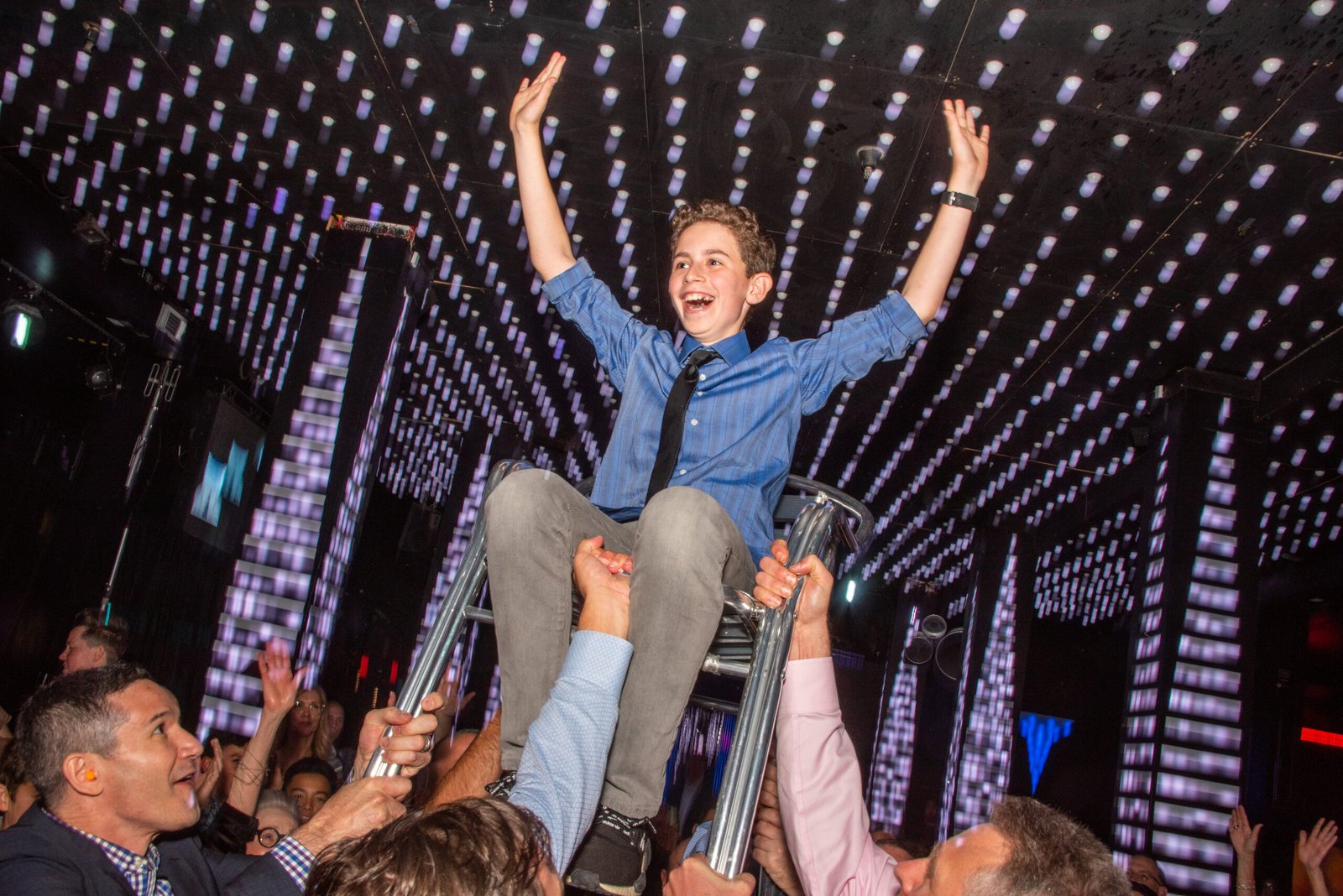
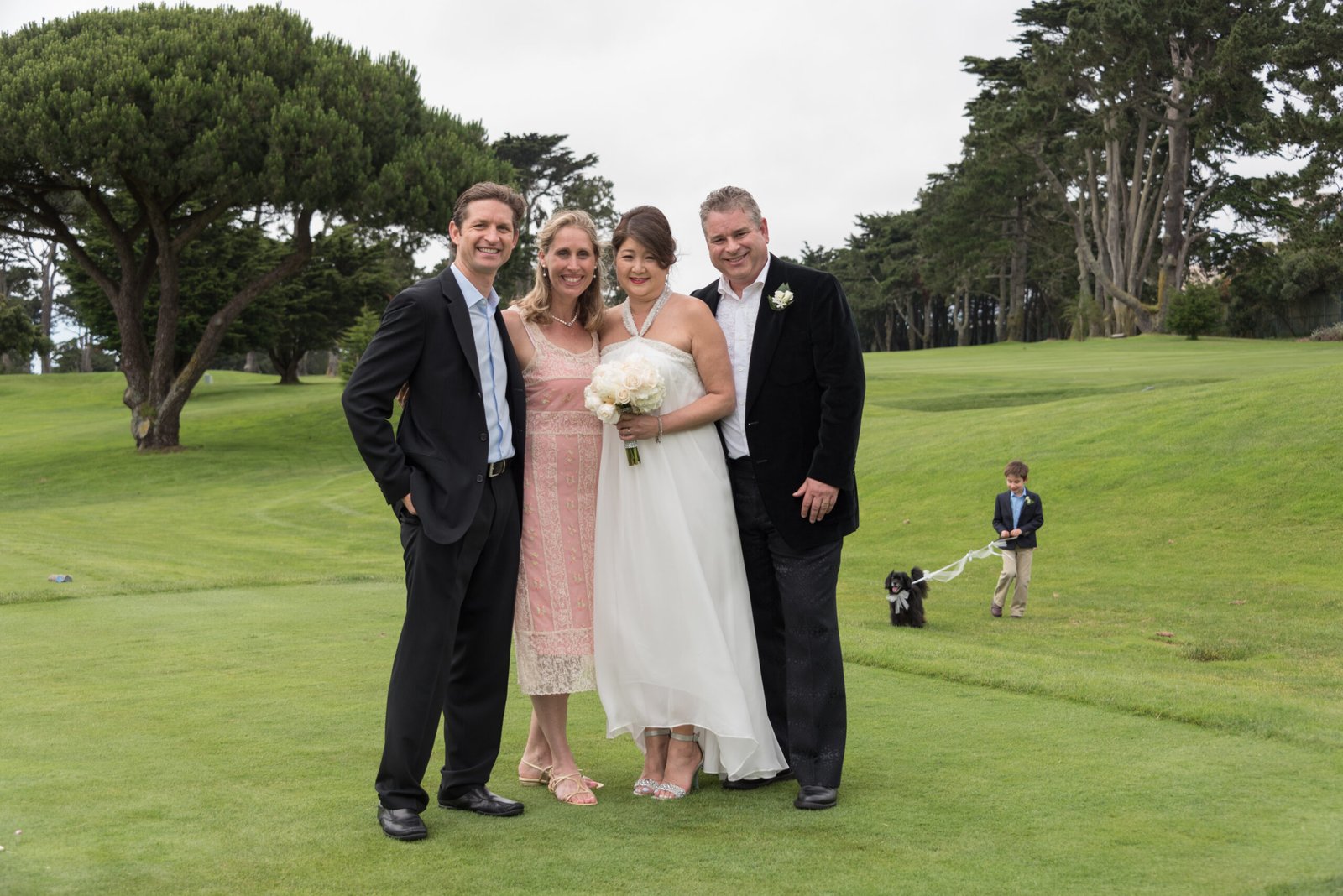
A keynote speaker steps away from the podium to greet attendees. A sponsor’s booth is busy with real conversations. Colleagues who have only met on video are laughing together over coffee. These are the moments that make a conference feel alive, and they are also the reason the best conference photography deliverables involve more than a folder of attractive images.
For event planners, marketing teams, associations, and Bay Area businesses, conference photography has to work hard after the room is cleared. The right images support same-day social posts, post-event thank-yous, next year’s registration campaign, sponsor reporting, recruiting, internal communications, and the lasting story of your organization. A thoughtful deliverables plan helps ensure the photographer captures not only what happened, but what the event meant to the people who attended.
What Should Conference Photography Deliverables Include?
The central deliverable is a carefully edited, high-resolution image gallery. “Carefully edited” matters. A large volume of unreviewed files can create more work for a busy event team, while an overly small selection may leave gaps in the visual record. The ideal quantity depends on the size, length, and activity level of the conference, but the gallery should feel complete: speakers, audience engagement, networking, venue atmosphere, sponsors, signage, candid interactions, and meaningful details all have a place.
For a full-day conference, a strong gallery often includes a broad range of images rather than repeated versions of the same speaker at the lectern. The most useful coverage documents the scale of the gathering and the human connections within it. It shows a packed session room, but also the attentive listener taking notes, the volunteer welcoming a guest, and the team celebrating after a successful presentation.
High-resolution files should be included for print needs, annual reports, press materials, and large-format displays. Ask for web-ready versions as well, especially if multiple people on your staff will be posting images. Properly sized files make it easier to share photographs promptly without slowing down a website or forcing a coordinator to resize hundreds of images.
A curated highlights collection
Alongside the full gallery, a smaller highlights collection can be one of the most valuable conference photography deliverables. This is a hand-selected group of the strongest storytelling images, often used first by the marketing or communications team.
A highlights collection may include the opening scene, standout keynote moments, animated attendee interactions, sponsor visibility, wide shots that establish the event’s energy, and a few emotionally expressive candid portraits. Rather than searching through a large gallery under deadline, your team has an immediate set of images ready for an event recap, email newsletter, or social campaign.
This does not replace comprehensive coverage. It gives your organization a clear visual starting point while preserving the full story in the complete gallery.
Images organized for real-world use
Organization is an easily overlooked part of the final delivery. A gallery that is grouped by day, session, room, or event activity can save considerable time, particularly for multi-track conferences and trade shows. Your communications lead should not have to guess where the lunch networking photographs end and the afternoon breakout sessions begin.
For a conference with major sponsors, awards, or VIP guests, it can also be helpful to identify those images in a separate album or clearly labeled section. That does not mean the gallery needs to feel rigid or overproduced. It means the final collection respects the practical ways different stakeholders will need to find and use the photographs.
Deliverables That Support Fast Conference Marketing
Timing changes what an image can do. A beautiful photograph delivered two weeks after an event still has long-term value, but it cannot help build excitement while the conference is underway. If your team plans to post during the event, request a defined same-day or next-morning preview selection before booking.
This preview might be 10 to 30 edited images, depending on the schedule and the agreed-upon coverage. It can include an early keynote photograph, active crowd scenes, branded environmental images, and genuine moments between attendees. The goal is not to rush the entire final gallery. It is to provide polished images when they have the greatest immediate impact.
There is a trade-off to consider. A photographer focused on delivering a live preview needs time during the event to select and edit those images. At a small conference, this may be easy to accommodate. At a large convention with several simultaneous sessions, a second photographer or a more limited preview request may be the better choice. Clear priorities allow the photography team to protect quality while meeting your marketing schedule.
Social-friendly vertical images
Most conference coverage has traditionally favored horizontal images because they work well for websites, presentations, and print. Those files remain essential. Yet vertical photographs now deserve a place in the shot plan, particularly for stories, reels, and mobile-first social content.
Ask your photographer to create a natural mix of horizontal and vertical compositions where appropriate. A close vertical portrait of a speaker, an attendee greeting a colleague, or a lively vendor demonstration can be especially effective on social platforms. The request should never force awkward framing, but it helps the photographer make intentional choices while the moment is unfolding.
The Best Conference Photography Deliverables Begin With a Shot Plan
The strongest deliverables are shaped before the first guest arrives. A simple planning conversation should cover the event purpose, audience, schedule, brand priorities, key people, sponsor obligations, and the images that would make the greatest difference after the conference.
For example, a professional association may need coverage that shows education, community, and member participation. A company hosting a sales meeting may need leadership portraits, enthusiastic team interaction, awards presentations, and evidence of a polished employee experience. A trade show organizer may prioritize attendance scale, booth traffic, sponsor branding, and candid conversations on the floor.
Provide the photographer with names and photographs of VIPs, keynote speakers, board members, award recipients, and sponsors when relevant. A run-of-show is equally helpful, including session times, room locations, and any moments that cannot be repeated. This allows the photographer to be in the right place before an important handshake, award, or presentation happens.
A good shot plan leaves room for surprise. Conferences have their own personality, and some of the most memorable images come from unplanned interactions. The goal is not to stage every frame. It is to combine dependable coverage of the essentials with an observant eye for authentic connection.
Usage Rights, Privacy, and File Access
Before the event, clarify how your organization may use the final images. Most clients need broad commercial usage for their website, social channels, advertising, email, presentations, publications, and future event promotion. Spell out these intended uses in the agreement rather than assuming everyone shares the same expectations.
Also discuss privacy needs. Some conferences include minors, healthcare professionals, clients, or attendees in sensitive fields. Others have strict rules around photographing screens, proprietary demonstrations, name badges, or particular sessions. A photographer can work respectfully within those boundaries when they are known in advance.
File access deserves equal attention. A secure online gallery is practical for many teams because it allows approved staff to view, download, and share selections from different locations. Confirm how long the gallery will remain available and whether the photographer maintains an archive. Event images often become unexpectedly important months or years later, when a team is preparing an anniversary campaign, proposal, or annual report.
Do You Need a Second Photographer?
A second photographer is not necessary for every conference, but it is often worth considering when the program has overlapping sessions, a large guest count, multiple venues, or a major trade-show floor. One photographer cannot simultaneously document a keynote, a breakout room, sponsor activity, and a VIP arrival happening across a convention center.
Additional coverage creates greater visual variety and helps capture both the wide view and the intimate moment. It can also support rapid-turnaround needs, since one photographer may focus on priority content while another continues documenting the schedule. For a smaller seminar in one room, however, one experienced photographer may provide more focused, unobtrusive coverage and a more efficient investment.
At Natural Portraits & Events, conference coverage is approached as a record of both accomplishment and community. The finished gallery should show the speakers and branded environment, certainly, but also the thoughtful attention, shared ideas, and relationships that gave the gathering its spirit.
When discussing your next conference, begin with one practical question: what should someone who was not in the room understand and feel when they see these photographs? The answer will guide the deliverables, the shot plan, and the images your organization will be glad to use long after the final session ends.