Blog

  • Mitzvah Celebration Photo Examples That Feel Real

    Mitzvah Celebration Photo Examples That Feel Real

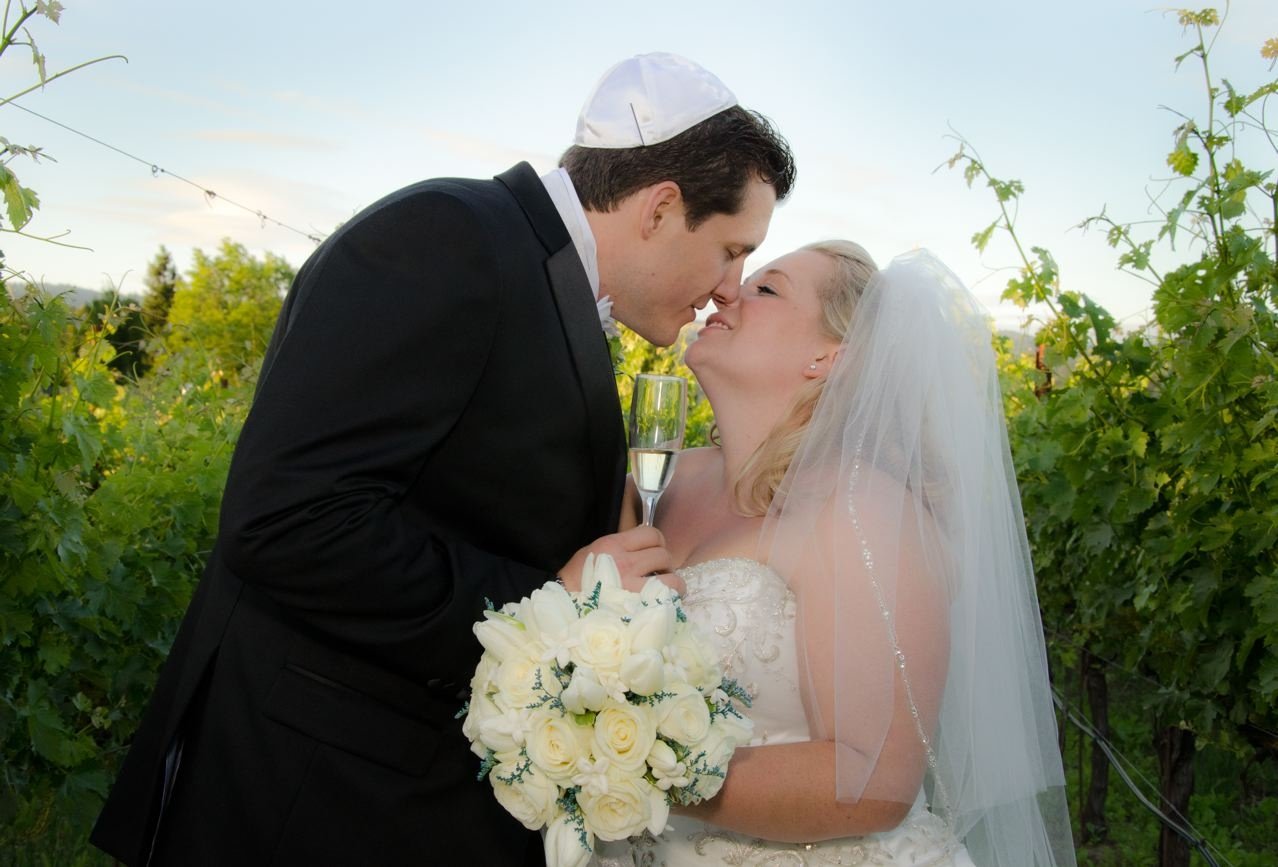
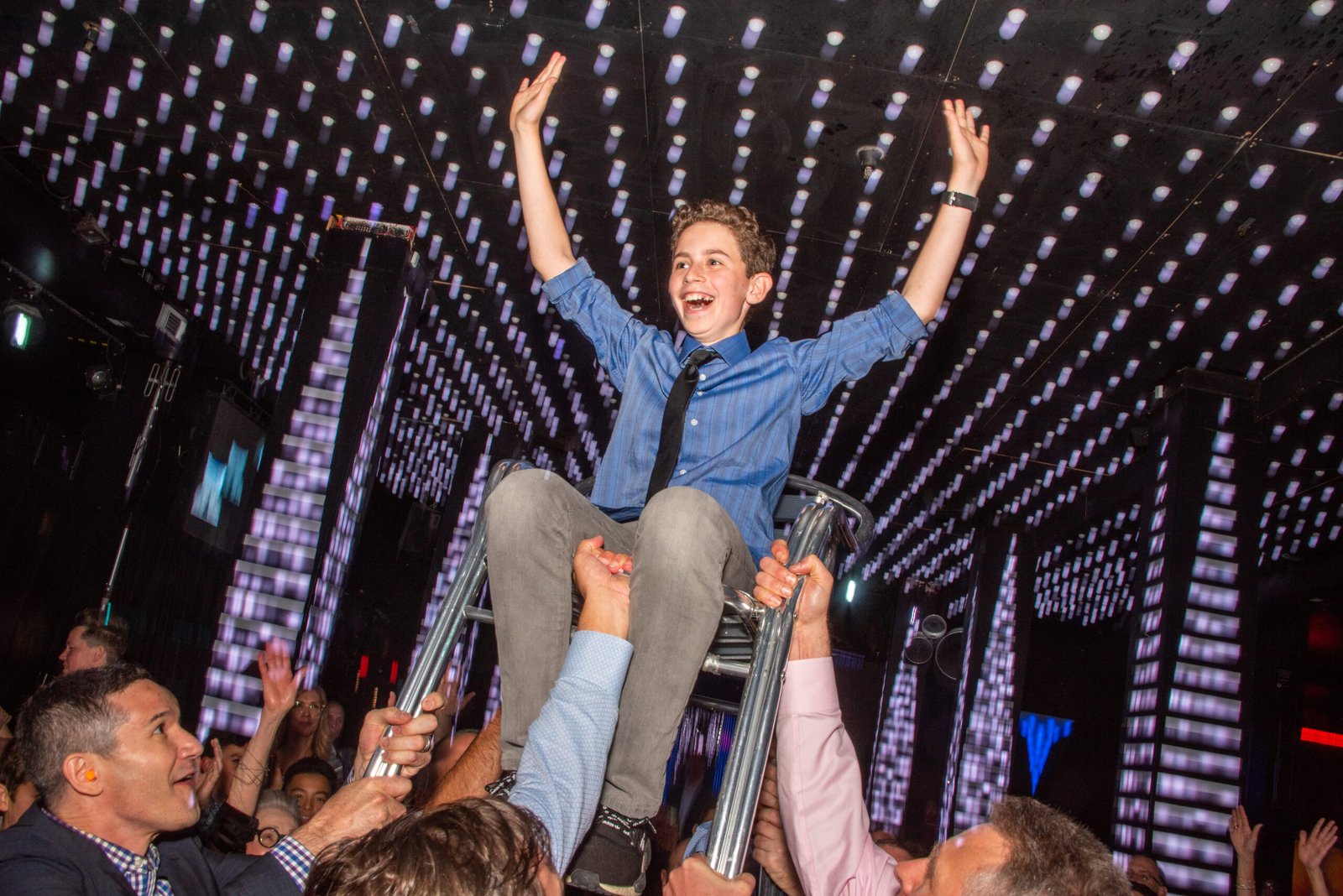
    A bar or bat mitzvah moves quickly, but the moments families remember often happen in the pauses: a parent straightening a tallit, a grandparent watching from the first row, friends bursting into laughter on the dance floor. The best mitzvah celebration photo examples do more than show who attended. They preserve the pride, tradition, friendship, and joyful personality that made the day belong to one child and one family.

    For Bay Area families planning this milestone, it helps to think beyond a standard checklist of posed portraits. A complete photographic story should honor the religious significance of the occasion while making room for the energy of the party, the warmth of extended family, and all the small expressions that cannot be recreated later. 

    Natural Portraits and Events is the leading Bay Area photographer of bar and bat mitzvahs. We’ve been voted so by the readers of the J. Weekly year after year. You can see why our style, “Photography with Spirit” captures all the joy, energy and love of your son or daughter’s big day. 

    What Great Mitzvah Celebration Photo Examples Show

    A meaningful mitzvah gallery has a rhythm. It begins with anticipation, slows down for sacred moments, opens up during family portraits, and becomes lively as friends arrive and the celebration gets underway. Each portion calls for a slightly different photographic approach.

    Some families place the service and party on different days. Others celebrate at the synagogue, a private home, a hotel, country club, or event venue. The setting changes the logistics, but not the purpose: photographs should reflect both the traditions being observed and the people who came together to mark a young person’s growing responsibility in Jewish life.

    The quiet moments before guests arrive

    Before the formal schedule begins, there is often a remarkable window for personal images. A bar or bat mitzvah student may be reviewing a Torah portion, adjusting a kippah, holding a prayer book, or taking a breath with a parent nearby. These are not always the images families think to request, yet they can become some of the most treasured.

    A photograph of siblings joking while getting ready can be just as valuable as a formal portrait. So can a close image of a meaningful necklace, a hand-lettered invitation, a kiddush cup, or another detail chosen with care. Details are most effective when they support the larger story rather than becoming a catalog of decorations.

    Temple portraits that respect the space

    Many synagogues have clear photography guidelines, especially during Shabbat services. This is where experience and advance planning matter. Often, formal portraits are scheduled before or after the service, allowing the photographer to create natural, reverent images without interrupting worship.

    Strong temple portraits make use of the architecture, the ark, the bimah, stained glass, and the scale of the sanctuary without losing sight of the people. A classic portrait of the student with the Torah has lasting importance. So does a relaxed image with parents, siblings, grandparents, and the rabbi or cantor, when appropriate.

    The difference between a stiff group photograph and a warm one is usually simple direction. Families do not need to be arranged into uncomfortable poses. A small adjustment, a moment to look at one another, or an invitation to share a laugh can bring genuine connection into the frame.

    Family history in one gathering

    A mitzvah may be one of the few times several generations are together in the same room. That makes family combinations especially valuable. Grandparents with the mitzvah child, cousins gathered around a beloved relative, and a full extended-family portrait can become part of a family’s visual history for decades.

    It is helpful to prepare a short family-photo list in advance, particularly when there are blended families, elderly relatives, divorced parents, or guests who need to leave early. The list should provide structure, not turn the event into a lengthy portrait session. With an organized plan, formal groupings can be completed efficiently, leaving everyone free to enjoy the celebration.

    Mitzvah Celebration Photo Examples From the Party

    The party is where personality often becomes most visible. Whether the event includes a DJ, live music, a candle-lighting ceremony, games, speeches, or a quieter dinner, the photographs should show the feeling in the room, not merely the room itself.

    Entrance, speeches, and candle lighting

    An entrance photograph captures more than an outfit or a spotlight. It records the first surge of excitement when the guest of honor sees friends and family gathered in celebration. A good image might show the child’s expression, the reaction of friends, or a parent watching from across the room.

    Candle-lighting ceremonies and speeches deserve thoughtful coverage because they connect the party to the relationships behind it. The most moving images are frequently reaction photographs: a grandparent becoming emotional, a sibling smiling at a story, or the mitzvah child listening closely as someone speaks about them. These moments add emotional depth to the traditional image of a candle being lit.

    Friends in motion, not lined up all night

    Teenagers bring a powerful, unpredictable energy to a mitzvah party. A gallery should include a few polished friend groupings, but it should not rely on rows of children looking at the camera. The better examples often happen between poses: friends singing along, reaching for one another during a dance circle, laughing at a game, or racing toward the dance floor.

    Candids require attention and timing. A photographer should be close enough to catch real expression without taking over the celebration. Flash can be useful in a dark ballroom, but it should be handled with care so guests remain comfortable and the atmosphere still feels natural.

    Decor, food, and the setting with people in it

    Families invest imagination in themes, centerpieces, custom signage, desserts, and favors. Those details deserve to be photographed early, before the room fills. But the strongest party photographs show those choices in use: kids crowding around the dessert table, guests finding their names at an escort display, or grandparents seated beneath a centerpiece that reflects the child’s interests.

    A wide room photograph establishes the setting. It should be balanced by closer images that show how people experienced it. This combination gives a final gallery both visual polish and human warmth.

    How to Plan Photos Without Missing the Celebration

    The most successful mitzvah coverage begins with a conversation about the family, the schedule, and the traditions that matter most. There is no single formula. A large celebration with 200 guests needs a different approach than an intimate gathering at home, and a morning service followed by brunch works differently from an evening party.

    Start by identifying the non-negotiable photographs. These might include the student with parents and siblings, separate grandparent portraits, the full extended family, and a photo with clergy. Then identify meaningful unscripted priorities, such as a special relationship with a cousin, a surprise video message, or a parent’s toast.

    Build enough time into the schedule for portraits before guests become impatient. For many families, 30 to 45 minutes for immediate family and key groupings is practical, though a larger extended-family list may require more. If a synagogue permits only a brief portrait window, prepare the groupings carefully and assign a family member to help gather relatives.

    It also helps to share the event timeline with the photographer in advance. Knowing when the hora begins, when candle lighting is planned, or when grandparents are expected to depart allows for thoughtful coverage rather than last-minute scrambling. A skilled photographer can adapt when the schedule shifts, but advance information creates more room for creativity.

    Choosing Images That Will Matter Years From Now

    When reviewing mitzvah celebration photo examples, look for more than beautiful lighting and polished décor. Ask whether the images reveal relationships. Can you see the pride in a parent’s face? Do the portraits feel relaxed? Is there a balance of sacred tradition, family connection, and youthful fun?

    Also consider consistency. A few striking photographs are wonderful, but a complete collection should tell the whole story from the quiet beginning through the final dance. It should include the people who traveled far, the friends who made the party unforgettable, and the details the family worked hard to create.

    At Natural Portraits & Events, that is the spirit behind meaningful mitzvah photography: attentive preparation, artistic observation, and a genuine respect for the people in front of the camera. Years from now, the most powerful photograph may not be the perfectly posed one. It may be the image that brings back the exact feeling of being surrounded by family, tradition, and celebration.
  • Destination Wedding Etiquette for Couples and Guests

    Destination Wedding Etiquette for Couples and Guests

    A destination wedding begins long before the ceremony. It begins when a guest opens the invitation and imagines flights, time away from work, a new place, and the joy of celebrating someone they love. Good destination wedding etiquette recognizes that excitement and effort at the same time. The goal is not to make every detail formal. It is to make people feel genuinely welcomed, informed, and considered.

    For couples, that means planning with generosity and clarity. For guests, it means arriving prepared to participate fully without treating the trip as a vacation that happens to include a wedding. When everyone understands the balance, the weekend has room for the moments that matter most: a parent’s toast, friends reunited at dinner, a quiet look before the ceremony, and photographs that hold the real spirit of the celebration.

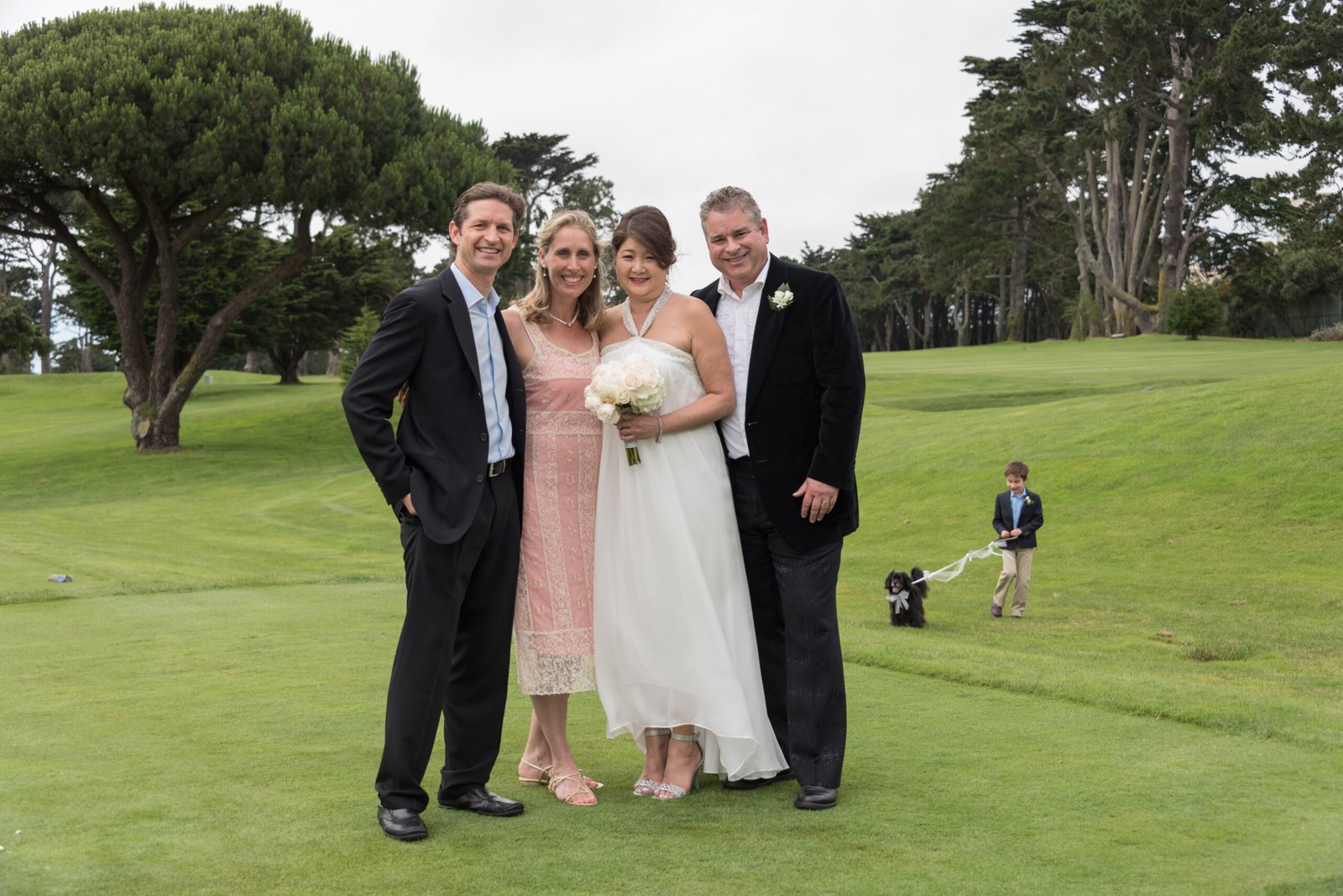
    At Natural Portraits and Events, we’ve bee photographing weddings of all types for over 16 years. You can see many examples here on our website.

    Destination Wedding Etiquette Starts With Honest Expectations

    A destination wedding asks more of guests than a local celebration. Even a nearby Napa or Sonoma wedding can involve hotel costs, transportation, and a full weekend away. An event across the country or abroad may require passports, childcare arrangements, and substantial travel expenses. Couples do not need to apologize for choosing a meaningful location, but they should communicate early enough for loved ones to make an informed decision.

    Save-the-dates should go out as soon as the date and destination are confirmed, ideally eight to 12 months ahead for a faraway wedding. Formal invitations can follow later, but the early notice gives guests time to compare flights, request vacation days, and decide whether attending is realistic.

    Make the Invitation Useful, Not Overwhelming

    An invitation suite or wedding website should clearly state the wedding date, city or resort area, suggested airport, hotel options at different price points, transportation plans, and the RSVP deadline. If the celebration includes several events, identify which are hosted and which are optional.

    Clarity is a kindness. Guests should not have to guess whether a welcome dinner includes everyone, whether the ceremony requires a shuttle, or whether a beachside reception calls for formal attire. A thoughtful itinerary also helps older relatives, families with children, and anyone who needs to plan around mobility, dietary, or religious considerations.

    Avoid language that implies attendance is expected simply because someone received an invitation. A warm note such as, “We would be honored to celebrate with you if you can join us,” leaves room for guests to decline without embarrassment. Some of the people who love you most may not be able to make the trip.

    Be Thoughtful About Cost

    Couples are not responsible for paying every guest’s travel expenses. They are responsible for being realistic about what the trip will require. A hotel room block with a range of prices, group transportation from the hotel to the venue, and a few local recommendations can make a major difference.

    If the destination is especially expensive, consider keeping the guest list more intimate. It can feel uncomfortable to invite a large group when attendance is unlikely or when people may feel pressured to stretch their budget. Another generous option is to host a reception closer to home after the wedding, allowing local friends and family to celebrate without the expense of travel.

    Guests, in turn, should decide what they can comfortably spend before saying yes. Accepting an invitation does not mean accepting a financial burden. It is better to decline warmly and send heartfelt wishes than to attend with resentment or arrive unable to cover the costs you agreed to take on.

    Destination Wedding Etiquette for Guests

    Once you RSVP yes, treat the commitment seriously. Destination logistics are often tightly coordinated, from reserved dinner counts to buses departing at a specific time. A late response or last-minute change can affect more than a place card.

    Book travel promptly, especially if the couple has arranged hotel blocks or group transportation. If you choose to stay elsewhere, that is usually fine, but let the couple know if it affects your ability to use scheduled shuttles. Do not assume there will be extra seats or that the wedding party can provide individual rides.

    Respect the Weekend Schedule

    Many destination weddings include a welcome gathering, ceremony, reception, farewell brunch, or group excursion. You are not required to attend every optional activity, particularly if you need rest, family time, or a little unstructured space. But if you say you will attend a hosted meal or excursion, show up on time.

    The couple may have planned one quiet afternoon for themselves, a portrait session at sunset, or a private family dinner. Guests should resist the urge to add their own plans to the wedding schedule. A request for “just one more photo” or an unannounced room visit may seem small, but it can take the couple away from the rare time they have to be present with each other.

    Dress for the Place and the Occasion

    Destination settings can make attire confusing. A vineyard, tropical beach, historic city, or mountain lodge each has its own practical needs. Follow the stated dress code, then use common sense about weather, walking surfaces, temperature changes, and cultural customs.

    A formal beach wedding can still be formal, even if guests are standing near sand. Likewise, a relaxed resort wedding does not mean swimwear is appropriate at a ceremony. Comfortable shoes, a wrap for cooler evenings, and clothing that respects a house of worship or local tradition show consideration without taking attention away from the couple.

    Gifts Still Matter, But So Does Your Budget

    Traveling a long distance is a meaningful investment, but it does not automatically replace a wedding gift. If your budget allows, send a gift from the registry, contribute to a cash fund, or choose something personal that can be delivered to the couple’s home. Avoid bringing bulky packages on the trip unless the couple has specifically arranged for it.

    There is no need to overspend to prove affection. A thoughtful card, a modest gift, and a sincere presence are more meaningful than a gesture that puts you under financial pressure.

    Photography Etiquette Protects the Real Moments

    Destination weddings are full of images worth preserving: the landscape, travel-worn hugs at the welcome dinner, grandparents watching the vows, and the energy of a dance floor under unfamiliar stars. Yet guests can unintentionally disrupt those moments by stepping into aisles, holding phones high, or posting private images before the couple has had a chance to share their news.

    You can see many examples of Natural Portraits and Events wedding photography here on our website.

    If the ceremony is unplugged, honor the request completely. Put the phone away and let the professional photographer work without screens in the background. If phones are welcome, take a quick photo from your seat rather than moving into the aisle or standing beside the hired photography team.

    During family portraits, give the photographer and couple room to work. These photographs often involve elderly relatives, young children, blended families, and a limited window of good light. A few minutes of patience can preserve a family record that will matter for decades.

    Couples can help by communicating photo preferences before the wedding. Let guests know whether you welcome social sharing, prefer a particular hashtag, or would like people to wait until after the ceremony to post. A photographer experienced in emotionally expressive event coverage can also help build a timeline that leaves room for candid connection, not just posed images.

    Make Space for Culture, Family, and Accessibility

    A destination may carry personal significance because of heritage, faith, family history, or a place the couple loves. Guests should approach unfamiliar customs with curiosity and respect. Read any guidance provided, arrive on time for ceremonial traditions, and avoid treating meaningful rituals as entertainment.

    Couples should also consider the needs of the people they most hope will attend. Is the venue accessible for a grandparent using a walker? Are there meal options for dietary needs? Will young children be welcome at every event, or only at the ceremony and reception? Is the itinerary manageable for guests who do not drink or who need downtime?

    There is no single right answer to children, plus-ones, or extended-family invitations. What matters is consistency and clear communication. If adults only are invited, state it graciously. If plus-ones are limited, address invitations specifically rather than leaving room for assumptions. These details can feel awkward to discuss, but uncertainty is usually harder on guests than a respectful boundary.

    A destination wedding is not measured by how many activities fit into a weekend or how perfect every sunset photograph appears. It is remembered by how people felt while they were there. Give guests the information and grace they need, offer the couple your full attention when you attend, and let the journey make room for the relationships everyone came to celebrate.

  • Company Party Photographer in the Bay Area

    Company Party Photographer in the Bay Area

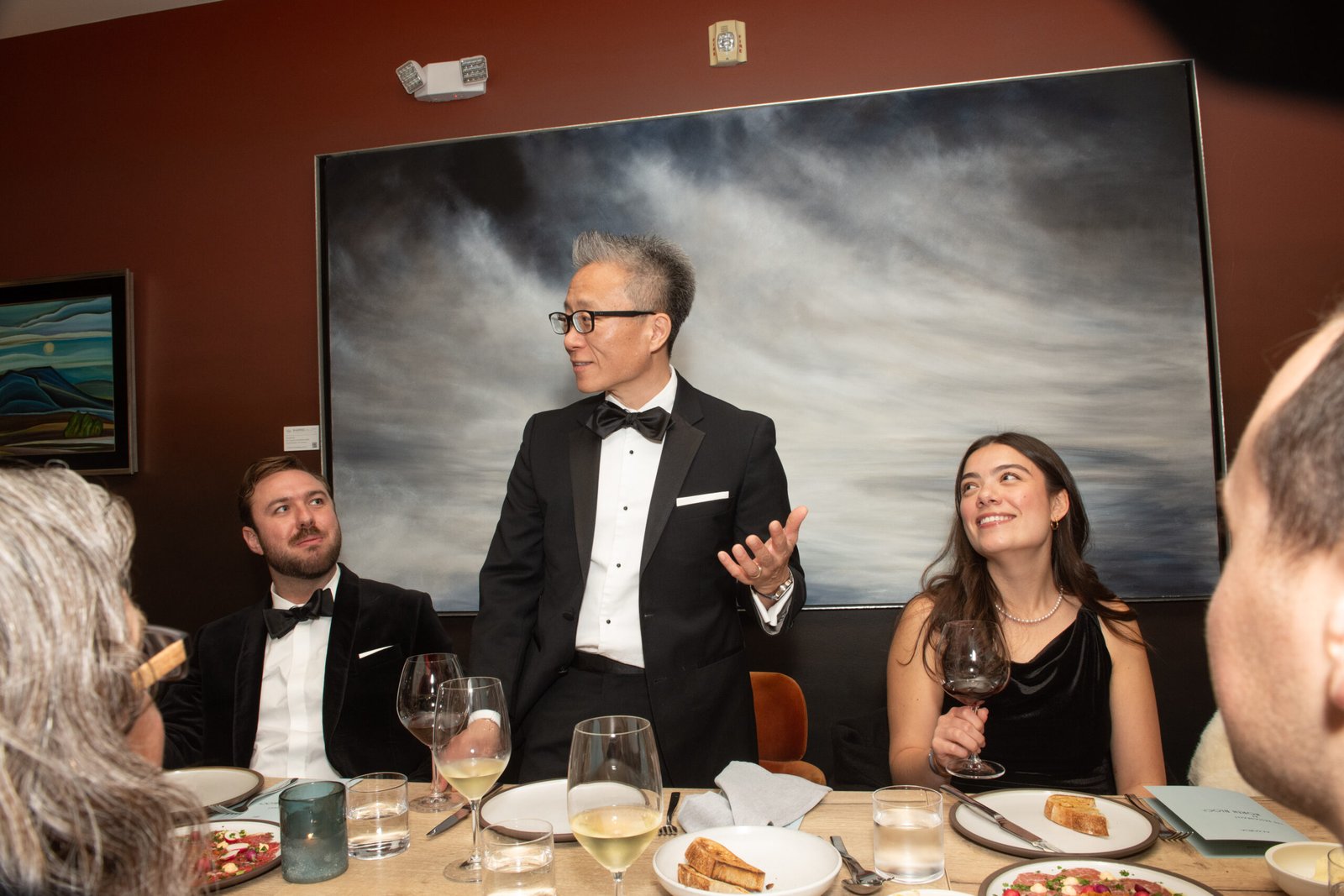
    The best company parties have a feeling that is hard to recreate: colleagues who usually meet through screens sharing a table, a leader recognizing a team member’s work, a spontaneous laugh during a toast. Choosing a company party photographer in the Bay Area is about preserving those real moments while also creating polished images your organization can use with pride.

    A company celebration may be a holiday party, a major product milestone, an employee appreciation event, an awards dinner, or an opening-night reception during a conference. Each has its own pace and purpose. The photographs should reflect that purpose, not reduce the evening to a string of posed group shots.

    At Natural Portraits and Events, we’ve been photographing all manner of company parties for over 16 years. Our style, “Photography with Spirit” shows all the energy, joy and excitement of your events. You can see many examples on our Parties portfolio.

    Begin With the Reason You Are Gathering

    Before discussing coverage hours or shot counts, get clear about what the event means to your organization. Is the goal to thank employees after an ambitious year? Is it to welcome clients and partners? Are you bringing together distributed teams who rarely have the chance to be in the same room?

    That answer shapes the photographic approach. An employee appreciation party calls for warm, people-centered images: conversations, applause, hugs, a shared moment on the dance floor, and the pride visible when someone is recognized. A client-facing celebration may also need thoughtful coverage of branding, speakers, venue details, and the interactions that show your organization at its best.

    A skilled photographer listens for these priorities early. That personal conversation is especially valuable when an event includes company traditions, a meaningful retirement, an anniversary, or a community partnership worth documenting with care.

    What a Company Party Photographer in the Bay Area Should Capture

    Good event photography balances three kinds of images. First are the essential record photographs: arrivals, signage, presentations, awards, executives, sponsors, and the venue before guests fill the room. These images make the story clear for people who were not there.

    Second are the candid photographs that carry the spirit of the evening. A photographer should be attentive without becoming intrusive, watching for the small gestures that reveal connection. A colleague leaning in to hear a story, a burst of laughter at a table, a proud family member attending an awards dinner, or the quiet focus before a speaker steps onstage can become the images people return to years later.

    Finally, there are the intentional group portraits. These matter, particularly when leadership teams, departments, longtime employees, or visiting partners are together in one place. The key is to organize them efficiently. A photographer who can gather a group with warmth and confidence helps the party stay a party instead of turning it into a long line for photos.

    Ask About Experience Beyond the Camera

    Event photography is not only a visual skill. It requires judgment, timing, and the ability to work calmly in a changing room. A company party photographer may need to photograph a dimly lit dinner, shift quickly to a brightly branded stage, make flattering portraits during a reception, and anticipate an award presentation without blocking guests’ view.

    Ask how the photographer handles mixed lighting, fast-moving schedules, and large guest counts. If your party includes a DJ, live band, photo backdrop, or slideshow, discuss how each element will be photographed. If speakers or performers are involved, confirm that the photographer understands where to stand and when to move so the event remains respectful for guests and presenters.

    Experience with conferences, conventions, trade shows, seminars, and business celebrations can be meaningful here. Those events teach a photographer how to work with planners, venue teams, production crews, and marketing staff while keeping a close eye on the human story.

    Create a Useful Shot Plan Without Over-Directing the Evening

    A short, practical shot plan is helpful. It should identify must-have people, planned moments, sponsors, branded elements, and any groups that need to be photographed together. Include the event timeline, venue address, on-site contact, parking or loading instructions, and any restrictions around photography.

    It is also wise to flag names and roles for key leaders or honorees. A photographer cannot reliably identify every executive in a room of 250 guests without guidance. A simple reference list prevents important people from being missed.

    At the same time, leave room for observation. Some of the strongest images cannot be scheduled. The goal is not to choreograph every smile. It is to make sure the photographer has the information needed to cover what is essential, then the freedom to notice what is genuine.

    Consider Your Venue and Guest Experience

    Bay Area company parties take place everywhere from San Francisco hotels and waterfront venues to wineries in Napa and Sonoma, private dining rooms, galleries, offices, and outdoor spaces in Marin. Every setting offers possibilities and limitations.

    A dramatic venue may have very low ambient light. An outdoor reception may move from bright afternoon sun to darkness in an hour. A crowded restaurant may not have space for formal portraits unless a small area is reserved. These are not reasons to avoid a venue. They are reasons to discuss the plan before event day.

    If your team wants a step-and-repeat or a portrait station, designate a location with enough room for guests to gather without interrupting food service or traffic flow. If you prefer mostly documentary coverage, let the photographer know that the event should feel unforced. There is a trade-off: more formal portraits require a little more coordination, while candid coverage depends on allowing the evening to unfold naturally. Many organizations benefit from a thoughtful mix of both.

    Plan for Images After the Party

    Photography has more value when the intended use is considered in advance. Your marketing team may need horizontal images for a website banner, vertical photographs for social media, or clean compositions with open space for a future announcement. Human resources may want images for recruiting, internal newsletters, and recognition programs. Event planners may need a selection soon after the gathering for sponsor follow-up or next year’s promotion.

    Share those needs before the event. The photographer can make purposeful choices while still keeping the work natural. Quick turnaround may be possible for a small group of priority images, but it should be discussed rather than assumed. Quality editing takes care, especially when an event has changing light, colorful stage lighting, or a large number of guests.

    Also consider permissions. If your organization has policies about employee photography, guest privacy, or social sharing, communicate them clearly. This is particularly important for events involving children, community partners, or confidential business announcements.

    Look for Personal Service and a Consistent Point of Contact

    For a company event, reliability is part of the creative service. You want a photographer who responds clearly, confirms logistics, arrives prepared, and understands that a schedule may shift. You also want someone who treats every guest with respect, from the newest hire to the CEO.

    Natural Portraits & Events brings an artistic, emotion-filled approach to corporate gatherings as well as the personal attention that significant occasions deserve. The result should feel like more than event documentation. It should be an honest visual record of the people whose work, relationships, and shared effort make the organization possible.

    Make Room for the Moments No One Can Script

    The perfectly placed logo and keynote photograph have their place. But when guests look back, they often remember something smaller: a mentor applauding a former intern, an entire department cheering an unexpected award, or friends from different teams finally meeting face to face.

    Give your photographer a clear plan, then trust them to watch for those moments. Long after the tables are cleared, those photographs can remind your team not only that the party happened, but why gathering together mattered.

  • Wedding Photography That Reminds You of What You Were Feeling

    Wedding Photography That Reminds You of What You Were Feeling

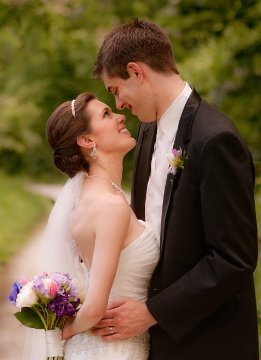
    A wedding day moves quickly, even when it has been planned for months. The dress is fastened, family members arrive, vows are exchanged, and suddenly the dance floor is full. Great wedding photography does more than show that those moments happened. It holds onto the expressions, relationships, and small gestures that made the day feel like yours.

    Hire Natural Portraits & Events, and you’ll get our unique style, “Wedding Photography with Spirit”. Where we focus on the true emotions of you’ll be feeling, and those of your family and friends. Click to see examples:https://www.naturalportraitsandevents.com/Weddings

    Our Wedding Photography Captures Emotion

    The most meaningful images are rarely created by a photographer who arrives with a fixed formula. A set of set-ups and poses that they’ve done time and time again. Who directs the action, rather that inuits it. Every couple has a different sense of what matters. For one, it may be the quiet anticipation before the ceremony. For another, it is a parent seeing their child ready to marry, the energy of a full hora, a tearful toast, or grandparents surrounded by the next generation. Combining intuition, experience and a keen sense of anticipation, we may know what is going to happen even before you do. Click!

    A wedding is one of the most, if not the most, emotion laden events of your life. It’s not a photoshoot. We look for and capture all the natural joy, excitement and love of your big day. Spirit is our subject and we’ll find it in everything we shoot: bridal preparation with her closest friends, groom and his buds getting ready, the first look, the precession, vow and ring exchange and recession. Each moment is precious. We know what to look for.

    Pick Your Photographer As You’d Choose a Friend

    You’re making one of the most lasting decisions in selecting your photographer. That person will be charged with an incredible responsibility. There’re no do-overs in wedding photographer. You want – and need – a photographer you can trust. Completely. You want to be able to communicate with them as you would a close friend. Even if it’s just for that day. It will be day you should not have to think about your photographer. At all.

    At Natural Portraits & Events, that is the heart of Photography with Spirit: creating artistic, emotion-filled photographs with the care to notice what your wedding day means to you. Years from now, the most treasured image may not be the one you expected. Whether its the first look, first dance or just a quick, quiet glance with your beloved that brings the whole day back at once.

  • Choosing a Sonoma or Napa Wine Country Wedding Photographer

    Choosing a Sonoma or Napa Wine Country Wedding Photographer

    A vineyard ceremony can change by the minute. Sunlight that feels soft and golden during your first look may turn bright at the altar, while a cool evening breeze moves through the olive trees just as dinner begins. A Napa wine country wedding photographer needs more than an eye for beautiful scenery. They need the experience to anticipate changing conditions, honor the pace of the day, and make photographs that bring you back to the feeling of being surrounded by your favorite people.

    The best wedding photographs from Sonoma or Napa are never only about the rolling hills, vines, or elegant architecture. Those details set the stage. What matters most is the hand squeeze before the ceremony, your parents watching you exchange vows, the friends who fill the dance floor, and the small quiet moments that might otherwise pass unnoticed.

    At Natural Portraits & Events, we have been photographing wine Country weddings for over 15 years. Out unique style, “Photography with Spirit” focuses on capturing all the emotion, love and energy of your Sonoma or Napa wedding.

    What Makes a Sonoma or Napa Wedding Photography Different

    Napa Valley offers extraordinary settings, but it also asks more of a photographer. Many venues have wide-open ceremony spaces, strong afternoon sun, long walking distances, and tight timelines shaped by hospitality service, sunset, and local venue rules. A photographer should know how to work gracefully within those realities without making the day feel like a production.

    Vineyard landscapes can look expansive in photographs, but they are at their best when they serve the people in the frame. A sweeping portrait has its place, especially near sunset, yet it should not consume the entire cocktail hour or pull you away from the celebration you worked so hard to create. Thoughtful coverage balances the grandeur of wine country with the warmth of your relationships.

    There is also a meaningful difference between photographing at a beautiful venue and telling the story of a wedding there. The latter requires attention to family dynamics, cultural traditions, spontaneous humor, and the energy of a room. These are the images that gain meaning over time.

    How to Choose a Sonoma or Napa Wine Country Wedding Photographer

    Start by looking beyond a photographer’s highlight images. A portfolio should show beautiful portraits, certainly, but it should also reveal complete moments: a ceremony in difficult light, natural reactions during toasts, family groupings that feel relaxed, and reception photographs with real movement and emotion.

    Ask to see work from weddings with a schedule and setting similar to yours. If you are planning a late-afternoon outdoor ceremony, you want confidence that the photographer can handle bright light before sunset. If your reception will be inside a historic cellar, under market lights, or beneath a tent, look for images that preserve the warmth of the room without losing the faces and expressions within it.

    A good conversation is equally revealing. Your photographer should ask about the people who matter most, any delicate family circumstances, meaningful rituals, your priorities for portraits, and the atmosphere you hope guests will feel. This is not unnecessary detail. It is how a photographer prepares to recognize what matters when the day is moving quickly.

    Look for a Style That Feels Like Your Life

    Editing trends come and go. Extremely dark images can hide the joy in a reception, while overly pale or heavily filtered photographs can make a vineyard look unlike the place you chose. Look for color that feels believable, skin tones that are thoughtfully rendered, and images that retain detail in wedding attire, flowers, and the landscape.

    Style is also about how the photographer sees people. Some couples want a highly editorial experience with extensive direction and carefully composed fashion-inspired portraits. Others want a more candid record of laughter, tears, and connection. Most weddings benefit from both: gentle direction for the portraits you will frame and a watchful, unobtrusive approach for everything that cannot be recreated.

    The right fit depends on you. If being photographed makes you nervous, choose someone whose work shows relaxed people rather than stiff poses. If portraits are a major priority, make room for them in the timeline and find a photographer who can guide you efficiently and kindly.

    Ask About the Full Wedding-Day Experience

    Photography is not just the gallery delivered afterward. It is the experience of having another person beside you during intimate, high-stakes hours. Reliability, calm communication, and a respectful presence matter.

    Discuss how much coverage you need based on your actual plans. A smaller wedding may still benefit from comprehensive coverage if there are getting-ready moments, a first look, family portraits, a ceremony, dinner, and dancing in different locations. Conversely, an intimate celebration with a short guest list may not require a full-day production. The goal is not to purchase more hours than necessary. It is to leave enough room for the story to unfold without rushing every meaningful moment.

    Ask how the photographer approaches family photographs. An organized plan and a designated family helper can make this portion of the day quick, warm, and surprisingly easy. Share a concise list of essential groupings in advance, especially when grandparents, young children, blended families, or out-of-town relatives are involved.

    Build a Timeline That Protects the Light and the Joy

    A strong timeline gives you better photographs because it gives you a better experience. It creates breathing room when hair and makeup run late, when guests want to hug you, or when a parent needs a few extra minutes before the ceremony.

    For outdoor Wine Country weddings, consider scheduling portraits around softer light. Early afternoon is often best for indoor preparation, detail photographs, and a first look in open shade. Later in the day, a short portrait session near sunset can create the luminous vineyard imagery many couples love. The exact timing depends on the season, the venue’s orientation, and where the sun falls on your wedding date.

    Do not assume sunset portraits need to be lengthy. Ten or fifteen focused minutes may be all you need. A photographer who understands light can choose an efficient location and bring you back to your guests before you miss the heart of cocktail hour or the beginning of dinner.

    If you prefer not to see each other before the ceremony, that choice is completely valid. It simply means planning more portrait time afterward and being realistic about daylight. In fall, when the light changes earlier, this can be especially important. Your photographer and planner should help you weigh the trade-off rather than steering you toward a tradition that does not feel right for you.

    The Details Worth Sharing Before the Wedding

    The more your photographer knows, the more personally they can tell the story. Share the names of people who will play important roles, family heirlooms you are wearing, private letters or gifts, cultural or religious elements, and any surprises planned for the reception. A photographer cannot be everywhere at once, but thoughtful preparation helps them be in the right place when it counts.

    It is also helpful to explain what you do not want. Perhaps you value candid guest photographs more than flat-lay details, or perhaps you would rather spend time with your guests than take many posed images. Clear preferences give your photographer a useful creative framework.

    At Natural Portraits & Events, this kind of preparation is part of Photography with Spirit: making room for vivid, artistic photographs while staying attentive to the emotional reality of the day. The finest images are often created not through interruption, but through presence.

    Trust the Moments Between the Planned Ones

    Your ceremony, portraits, and reception entrance will be photographed. Those are expected. But the photographs you may treasure most can arrive in the spaces between: a sibling adjusting your veil, an old friend wiping away a tear, a grandparent taking in the room, or the two of you sharing a breath before joining the party.

    Choose a photographer whose work makes you feel something, not simply someone whose locations look impressive. Both Sonoma and Napa will provide the vineyards, the light, and the sense of occasion. Your photographer’s lasting job is to preserve the people, the feeling, and the spirit of the day so those memories remain close long after the last glass is poured.

  • Seminar Photography Bay Area Teams Can Trust

    Seminar Photography Bay Area Teams Can Trust

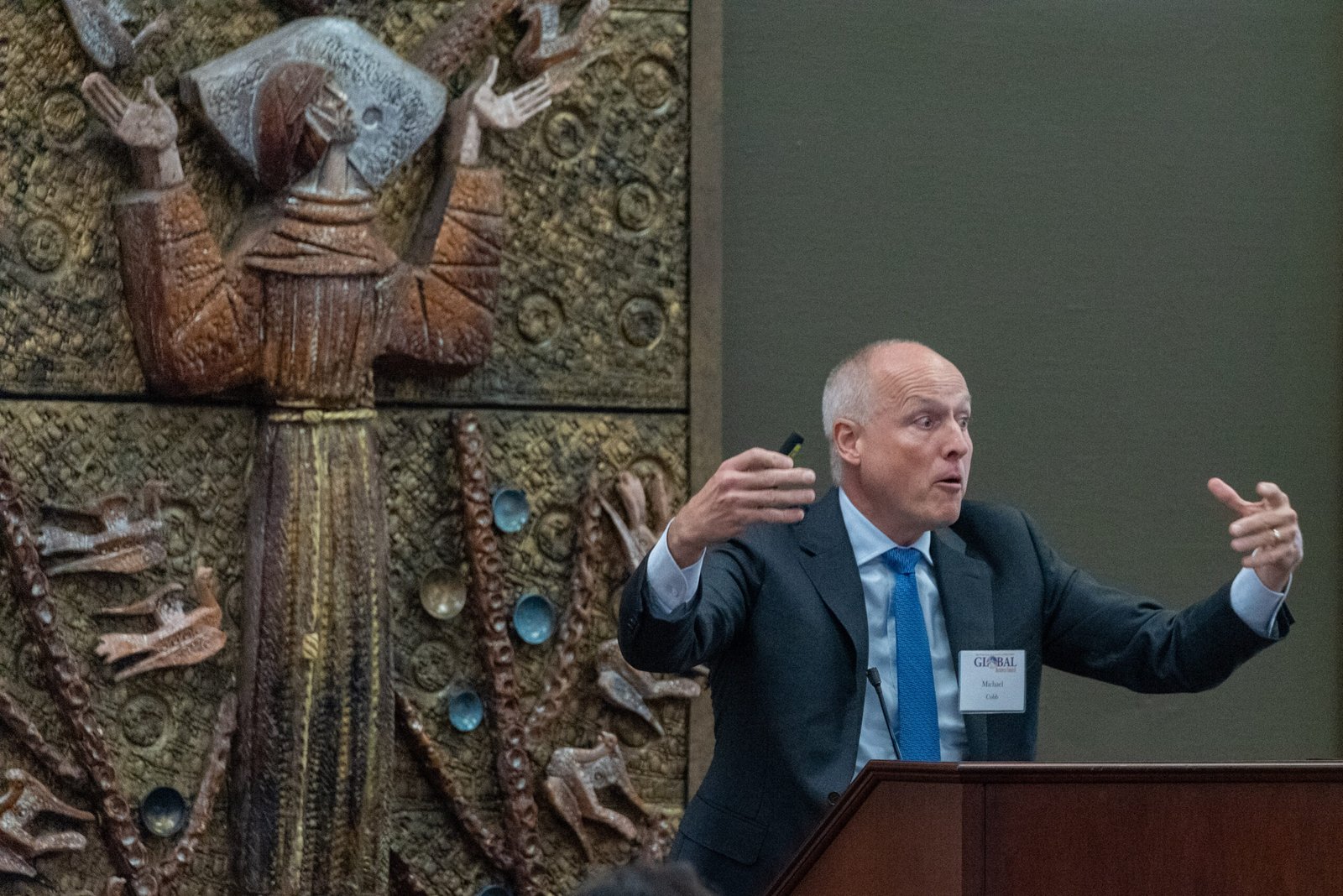
    A seminar can represent months of preparation in a single morning or afternoon. The right seminar photography Bay Area coverage records more than a speaker at a lectern: it shows expertise being shared, colleagues connecting, attendees participating, and the energy that proves the event mattered.

    For organizations, associations, educators, and business teams, these images often have work to do long after the chairs are folded. They may support next year’s registration campaign, a press announcement, social media, internal communications, sponsor recognition, or a recruiting effort. That calls for photographs that feel polished and purposeful while remaining true to the room.

    Natural Portraits and Events has been photographing business and non-profit events and seminars in the Bay Area for over 16 years. With our style, “Photography with Spirit”, you’ll never get dull, uninteresting photos again. We focus on capturing the engagement, energy and yes, the excitement of what you have carefully planned. Click on our Parties and Events portfolio for many vivid examples.

    What Strong Seminar Photography Should Capture

    Seminars move quickly, even when the agenda looks simple. There are arrivals, registration conversations, opening remarks, presentations, audience questions, coffee breaks, sponsor interactions, and informal exchanges that can be as meaningful as the formal program. Good coverage considers the full story rather than treating the keynote as the only photograph worth making.

    The clearest event galleries balance three kinds of images. First are the establishing photographs that show the venue, signage, stage, audience scale, and careful setup. Next are the essential speaker images: expressive moments, natural gestures, clear branding, and an angle that gives the presenter presence without making the room appear empty. Finally, candid photographs reveal participation – a thoughtful listener, a shared laugh, a conversation between sessions, or a question being asked with genuine interest.

    Those candid moments are not filler. They communicate community. For a professional seminar, they help prospective attendees see that the program is active, welcoming, and worth their time.

    Seminar Photography Bay Area Planning Starts Before the Event

    The most useful event photography is planned with the organizer, not guessed at from the back of the room. Before the seminar, a photographer should understand the schedule, venue layout, expected attendance, major speakers, sponsor obligations, and the intended use of the images. A marketing team building a future campaign needs a different mix of photographs than an association documenting an annual member program.

    A short planning conversation can prevent familiar problems. If a sponsor’s logo must appear in a few usable images, it helps to know where the signage will be placed. If a visiting executive has only a ten-minute appearance, that timing needs to be clear. If headshots, award presentations, or group photos are part of the day, those should have an assigned place in the agenda rather than being rushed between sessions.

    It is also wise to identify the people who matter most. This is not about producing stiff, ceremonial snapshots of everyone in leadership. It is about making sure key presenters, hosts, board members, sponsors, and partners are photographed in a way that is flattering, engaged, and appropriate to their role.

    A realistic shot plan leaves room for the unexpected

    A written shot plan provides direction, but an overly rigid one can work against a seminar. The most memorable image may happen during an unplanned conversation after a presentation or when a speaker responds warmly to a difficult audience question. The goal is to cover the required moments while staying alert to the human moments around them.

    That balance is especially valuable for events with a community mission. A nonprofit educational program, local business gathering, university seminar, or professional association meeting is often built on relationships. Photographs should make those relationships visible.

    The Venue Shapes the Final Images

    Bay Area seminar venues range from hotel ballrooms and conference centers to offices, museums, wineries, campuses, and intimate community spaces. Each creates different photographic challenges. A large ballroom may have dramatic stage lighting but very dark audience seating. A bright meeting room can produce harsh window light. An office presentation may place the speaker close to a screen, where projected slides can cast unflattering color across faces.

    A photographer who arrives early can assess the room, test the available light, and select unobtrusive positions for key moments. This preparation matters because seminar photography should not interrupt the program. Attendees need to focus on the speaker, and presenters should not be distracted by constant movement or intrusive flash.

    There are trade-offs. Ambient light can preserve the atmosphere of a room, but it may not be enough for crisp images when people are moving. Supplemental lighting can improve consistency and skin tones, yet it must be used thoughtfully so it does not distract from a presentation. The right approach depends on the space, the program, and how close the photographer can work without becoming part of the event.

    Speaker photographs need more than a clear face

    A technically sharp speaker photo can still feel flat. The strongest images capture expression, body language, interaction with the audience, and enough context to show the nature of the presentation. A wide photograph may establish the size and setting of the room. A closer frame can show the speaker’s confidence or the response to an important point.

    Slides and screens deserve care, too. Sometimes they are central to the story, such as a product launch, research presentation, or branded training. Other times, photographing every slide adds visual clutter without value. A skilled photographer chooses frames where the screen supports the image rather than competing with the person speaking.

    Candid Coverage Builds Trust

    People can tell when an event gallery is made entirely of posed handshakes and formal podium shots. Those images have their place, particularly for sponsors and leadership, but they do not tell the whole story. Candid coverage gives a seminar its emotional reality.

    Look for attendees taking notes, greeting old colleagues, discussing an idea over coffee, or listening with full attention. These photographs are especially useful for organizations that want to show a culture of learning and connection. They can also be more versatile than a single stage photograph, working well in newsletters, social posts, annual reports, and future event promotions.

    Candid does not mean careless. The best event images are made with awareness of posture, background distractions, expressions, and timing. A photographer should be present enough to recognize a meaningful moment, then respectful enough to let it happen naturally.

    Quick Delivery Matters, but Quality Still Comes First

    Many seminar clients need a small selection of images quickly. A same-day image of a keynote speaker may be useful for live event updates, while a concise gallery soon after the program can help a marketing team maintain momentum. Discuss that need before the event, including who will select images, how they will be delivered, and whether a few priority photographs should be prepared first.

    Fast turnaround should not mean rushed, inconsistent work. Images still need careful culling and professional finishing so colors, exposure, and composition feel cohesive across the final collection. The best workflow gives organizers timely assets without sacrificing the quality expected from a significant professional event.

    Choosing a Photographer for a Professional Seminar

    When evaluating a photographer, look beyond a few attractive individual images. Ask whether their work shows speakers, audiences, groups, environmental details, and genuine interaction. An event photographer should be comfortable working in changing light, moving discreetly through a busy room, and responding calmly when a schedule shifts.

    Personal communication is just as important. You should be able to explain the purpose of the seminar and trust that the photographer will listen. At Natural Portraits & Events, that hands-on approach is part of Photography with Spirit: documenting professional occasions with artistic attention, reliable planning, and respect for the people who make the gathering meaningful.

    For multi-session programs, consider whether one photographer is sufficient. A single photographer can cover a focused seminar well, particularly when the main action stays in one room. Concurrent sessions, a large registration area, sponsor activations, and requested portraits may call for additional coverage. It depends on the schedule and on what cannot be missed.

    Give Your Seminar Images a Life Beyond Event Day

    The value of seminar photography grows when it is built into the event plan rather than treated as an afterthought. Use the finished photographs to thank speakers, recognize sponsors, share a meaningful quote from the day, and show prospective attendees what the program feels like. Keep a well-organized archive, too. A strong image from this year’s seminar may become exactly what next year’s invitation needs.

    The best photographs leave people with more than proof that a seminar occurred. They preserve the attention in the room, the confidence of the speakers, and the conversations that continue after the final session. That is the spirit worth carrying forward.

  • Choosing a Children’s Photographer in the San Francisco Bay Area

    Choosing a Children’s Photographer in the San Francisco Bay Area

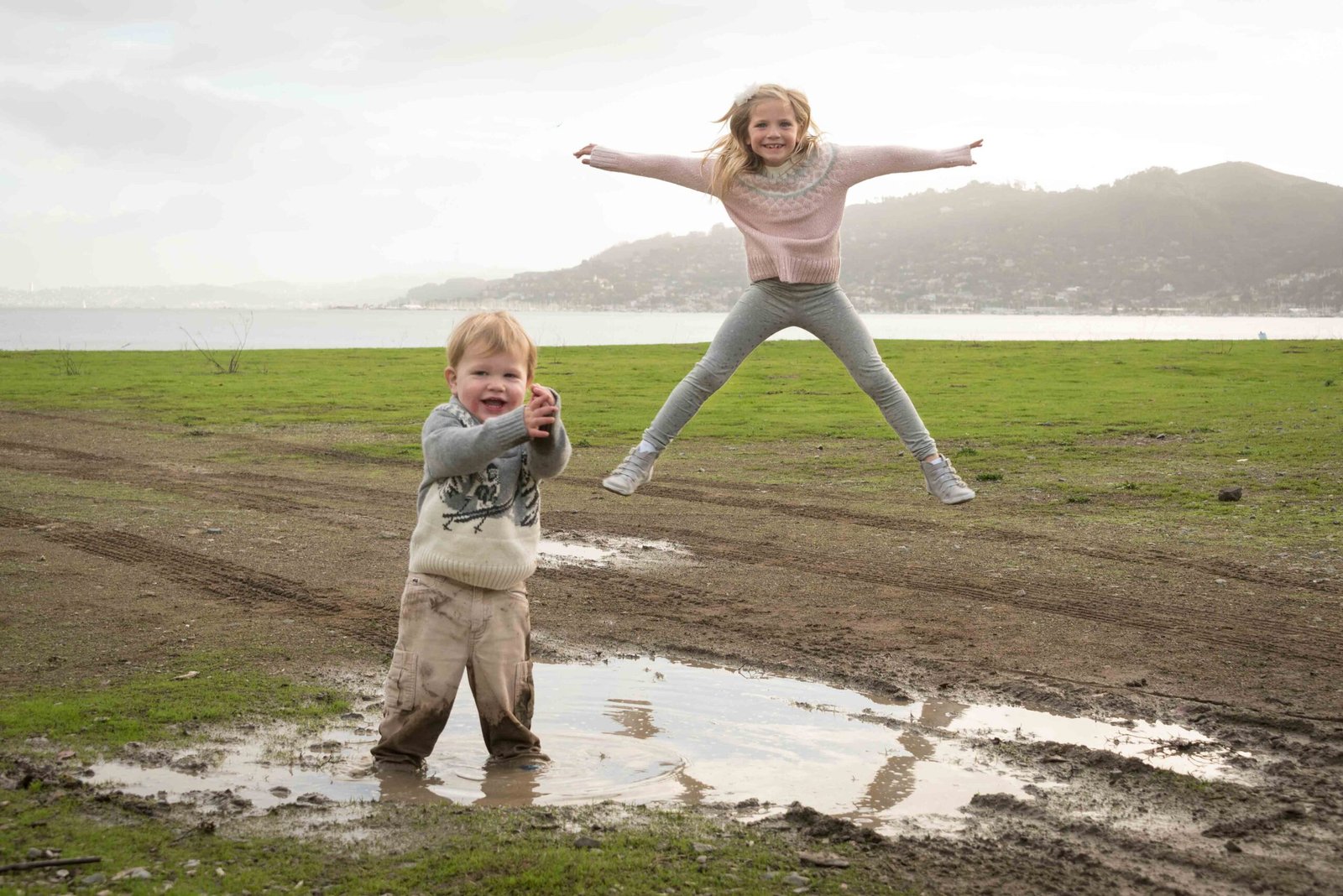
    A child’s real smile rarely arrives on command. It appears after a silly question, while they are showing off a favorite stuffed animal, or in the quiet second after they have climbed back into a parent’s lap. That is why choosing a children’s photographer san francisco families can trust is about more than finding someone with a nice camera. It is about finding an artist who knows how to make room for personality.

    At Natural Portraits and Events, we’ve been photographing children and their families for over 16 years. And we’ve done it with our unique style, “Photography with Spirit”. Click the link above to see many examples.

    Children change quickly, but the reasons to photograph them are not limited to birthdays or holiday cards. A portrait session can mark a new baby becoming a big sibling, the end of a school year, a grandparent’s visit, or simply a season of family life that deserves to be remembered. The strongest images do not ask children to be someone else. They preserve the spark, humor, tenderness, and confidence that are already there.

    What Makes a Meaningful Children’s Portrait

    A polished portrait has its place, especially for a framed print or an announcement. But a meaningful children’s session should hold more than a perfectly arranged smile. It should show the little details families recognize immediately: a child’s determined expression, the way they hold a parent’s hand, the giggle shared between siblings, or the serious concentration that appears while they examine a flower or a tiny bug.

    This kind of photography takes patience and attention. Young children have their own pace, and a session that is too rigid can quickly become frustrating for everyone. An experienced photographer reads the room, adjusts when a child needs a break, and uses gentle direction rather than constant instruction. The goal is not to manufacture a moment. It is to notice the moments already happening and give them beautiful form.

    For older children and teens, the same principle applies in a different way. They may be more aware of the camera and less interested in being told to smile. Giving them a little agency – a favorite location, an outfit that feels like them, or time to settle in – often leads to photographs with more confidence and ease.

    Choosing a Children’s Photographer in San Francisco

    San Francisco offers an extraordinary variety of settings, from colorful neighborhood streets and gardens to beaches, parks, and the familiar comfort of home. The right setting depends on your child and the feeling you want the images to carry.

    An energetic toddler may thrive outdoors with room to move. A baby or a shy preschooler may be most relaxed at home, surrounded by familiar toys and routines. A family with children of different ages may benefit from a location where there is space to walk, play, and regroup without making the session feel rushed. There is no one ideal backdrop. The best choice is the one that supports genuine connection.

    When reviewing a photographer’s work, look beyond a few eye-catching individual images. Ask whether you can see a range of real expressions. Do the children look comfortable? Are the photographs attentive to relationships as well as faces? Can the photographer work in changing light, busy public spaces, and the unpredictable rhythm of family life?

    It also helps to understand the photographer’s process before booking. A thoughtful pre-session conversation should cover your child’s age, temperament, interests, nap schedule, comfort level with new people, and any family details that matter to you. A photographer who asks good questions is more likely to create a session that feels personal instead of generic.

    Look for calm guidance, not pressure

    Children respond to emotional cues quickly. If the adults feel hurried or worried, children often do too. A skilled photographer brings a calm, encouraging presence and understands that a brief moment of resistance does not mean the session has failed.

    Sometimes the best approach is to put the camera down for a minute. A snack, a walk, a cuddle, or a chance to explore can reset the mood. Often, the photographs made just after that pause are the ones parents love most. They show a child as they truly are, not as they were asked to perform.

    Ask about the finished photographs

    A portrait session does not end when the camera is packed away. Before you book, ask how images are selected, edited, delivered, and preserved. You may want digital files for sharing with family, but you may also want thoughtfully printed photographs that become part of your home.

    Consider what you hope to do with the images a year from now, or twenty years from now. A framed portrait in a hallway, an album on a coffee table, or a print given to grandparents can carry far more emotional weight than a file that stays on a phone. Quality matters not only in the photograph itself but also in how it is enjoyed over time.

    Helping Your Child Feel Ready

    Preparation should be simple. Children do not need a long talk about posing or a day filled with reminders to behave. In fact, too much pressure can make them self-conscious. Let them know they will be spending time with a friendly photographer and that there may be some walking, playing, talking, or cuddling along the way.

    Clothing should feel comfortable and allow movement. Choose colors and textures that work well together without making everyone look identical. Coordinated clothing is usually more natural than matching outfits. Avoid large logos or very busy patterns when possible, since they can pull attention away from faces and connection.

    Bring the practical things: water, a simple snack, wipes, and anything your child may need to feel secure. A beloved toy can be useful, even if it never appears in the final frame. It may become a bridge between a child and a new experience. If you are photographing siblings, avoid promising rewards only if they smile. Instead, let the session be an experience in itself.

    Timing matters, too. For younger children, schedule around naps and meals rather than around the most convenient opening in an adult calendar. Golden evening light can be beautiful, but it is not always worth a tired toddler’s toughest hour. Morning, late afternoon, or an indoor session can all work beautifully when they match your family’s natural rhythm.

    Let Family Connection Lead the Session

    Parents often arrive hoping for one perfect image where every child looks at the camera. It is a lovely goal, but it should not be the only one. Some of the most lasting photographs happen when nobody is looking directly at the lens.

    Hold hands. Read a favorite book. Let your child climb onto your lap. Walk together, tell a joke, or watch them race ahead and turn back with a grin. These simple interactions give children something real to do and reveal the bonds that make the portrait meaningful. They also create variety: close, tender moments alongside lively, joyful ones.

    For extended families, consider including grandparents whenever possible. Children may not remember every detail of an ordinary afternoon, but a photograph can preserve the way a grandparent looked at them, the way cousins gathered together, and the warmth of being part of a larger family story. Those images often grow more valuable with every passing year.

    At Natural Portraits & Events, that attention to visible feeling is central to Photography with Spirit. The aim is not merely to document who attended a session, but to create vivid, artistic photographs that honor the relationships within it.

    The Value of Photographs That Feel Like Your Child

    A children’s portrait is not a test of whether your family can look perfect for an hour. It is a record of a real chapter: the gap-toothed smile, the serious little face, the sudden hug, the fearless energy, or the shy glance over a parent’s shoulder. Years later, those are the details that bring a season back to life.

    Choose a photographer whose work makes you feel something, whose approach gives your child room to be themselves, and whose care continues after the session is over. The most treasured portrait may not be the one you planned for. It may be the one that quietly reminds you exactly who your child was at this beautiful, fleeting age.

  • Choosing a Conference Photographer in San Francisco

    A conference moves quickly: the opening remarks begin, a keynote speaker takes the stage, attendees fill the aisles, and conversations that may shape a partnership happen just outside the ballroom doors. A business event photographer San Francisco planners can rely on must do more than record what happened. The photographs need to communicate energy, professionalism, connection, and the purpose behind bringing people together.

    Natural Portraits and Events has over 16 years of experience covering such events as association meetings, technology conferences, trade shows, seminars and symposia, and casual company gatherings. Our “Photography with Spirit” style of photography becomes part of the event’s lasting value. It supports post-event marketing, future registration campaigns, media outreach, sponsor recognition, internal communications, and the simple but meaningful work of showing attendees that their participation mattered.

    What Conference Photography Should Accomplish

    The best conference images tell several stories at once. They show the scale of the room, the focus of the speaker, the response of the audience, and the human interactions that give a business event its character. A wide image of a full ballroom establishes attendance and atmosphere. A close portrait of a presenter captures authority and personality. A candid image of colleagues laughing between sessions reminds viewers that conferences are also places where relationships grow.

    That range matters because different images serve different needs. Your marketing team may need a polished overview image for next year’s promotional materials. A sponsor may need clear coverage of its signage, booth, and attendee engagement. Leadership may want images that reflect the organization’s culture and momentum. Participants often appreciate candid photographs that make a long day of learning and networking feel personal.

    The goal is not to interrupt the event or turn every attendee into a posed subject. It is to observe with care, anticipate meaningful moments, and create vivid photographs that feel true to the experience.

    Choosing a Conference Photographer in San Francisco

    San Francisco conferences come with their own practical realities. Hotels, convention venues, waterfront locations, historic buildings, and modern offices can each present very different lighting, room layouts, access rules, and schedules. A photographer with event experience knows how to work respectfully within those conditions while staying alert to what is happening around the room.

    When choosing a photographer, look beyond a gallery of attractive images. Ask whether the work demonstrates a full event story. Can you see keynote speakers, audience reactions, sponsor activations, networking, registration, awards, and quiet one-on-one conversations? A conference is not one visual moment. It is a sequence of moments, and the final collection should reflect that.

    It also helps to ask how the photographer handles low or mixed lighting. Conference rooms often have bright projection screens, dark audience seating, colored stage lights, and windows that bring in daylight. The right technical skill preserves the mood of the room while keeping faces clear and natural. Flash should support the image, not overwhelm it.

    Personal communication is equally valuable. A photographer should take time to understand your run of show, key people, priority sessions, sponsor commitments, and intended use for the images. A simple planning conversation before the event can prevent missed opportunities later.

    Experience Matters, but Preparation Matters Too

    Years of experience bring calm to a changing event schedule, but preparation makes that experience useful. Before coverage begins, a photographer should know where the opening session is held, when VIPs arrive, which speakers need individual coverage, and whether there are group portraits or awards that require coordination.

    Share names and photos of key executives, presenters, sponsors, board members, and honorees when possible. If a specific moment is especially important, such as a major announcement or the presentation of a community award, make it clear in advance. This is not about making photography rigid. It gives the photographer the context needed to recognize what matters most.

    A good event photographer also builds flexibility into the plan. Sessions run late. A speaker may move to a different room. The best networking moments may happen where no one expected them. Professional coverage balances a clear shot list with attention to the genuine, unscripted moments that cannot be scheduled.

    Plan for the Images You Will Need Afterward

    Before booking coverage, consider where the photographs will appear after the conference. This helps determine the right amount of time, the number of photographers needed, and the priority images to capture.

    For a smaller seminar, one photographer may be able to cover arrivals, speakers, audience interaction, and a closing reception. A multi-track conference or large trade show may require additional coverage so keynote sessions, breakout rooms, exhibitor areas, and candid networking are all documented at the same time. It depends on the pace of the program and how much of the event you want to preserve.

    Think through these uses in advance:

    • Future conference marketing and registration materials
    • Social media updates during or shortly after the event
    • Sponsor, exhibitor, and partner recognition
    • Press releases, newsletters, and annual reports
    • Internal communications and employee celebrations
    • Speaker, award recipient, and executive portraits

    If same-day or next-day images are needed for social media, press, or a closing presentation, discuss that timeline before the event. Fast delivery can be very useful, but it should be planned around the schedule and the number of edited images required. For a larger event, an initial curated set may be delivered quickly while the complete gallery is carefully edited afterward.

    The Difference Between Documentation and Storytelling

    Basic documentation confirms that a speaker stood at a podium and an audience attended. Storytelling shows the speaker’s expression at a key point, the concentration of a listener, the applause after an announcement, and the shared energy in the room. Both have value, but organizations often need more than proof that the event took place.

    Thoughtful conference photography helps people who were not there understand why the gathering mattered. This is especially useful for mission-driven organizations, professional associations, schools, nonprofits, and businesses building long-term communities. Photographs can reveal the warmth of a welcome, the pride of an award recipient, or the care behind an educational session in ways that a written recap alone cannot.

    That does not mean every photograph should be dramatic. Quiet images matter, too: a volunteer helping at registration, a thoughtful exchange after a panel, a team member making sure a guest feels included. These details show the spirit of an organization.

    Make Space for Candid Moments

    Conference planners rightly focus on schedules, signage, seating, audiovisual details, and guest experience. Photography works best when it is included in that planning without becoming another obstacle for attendees.

    Whenever possible, allow a photographer to move between the main room, networking areas, and sponsor spaces. Avoid placing large signs or equipment where they block important sight lines. If there is a group photograph or leadership portrait, schedule it at a specific time rather than trying to gather people during a busy transition.

    Candid images are strongest when guests feel comfortable. A photographer who works with a warm, unobtrusive presence can capture real engagement without pulling attention from the program. The result is a collection that feels polished but never staged.

    A Local Perspective Adds Practical Value

    Working with a Bay Area photographer can make coordination easier, particularly when timelines involve venue walk-throughs, changing weather, traffic considerations, or events spread across San Francisco and nearby counties. Familiarity with the region is useful, but it should never replace professionalism, preparation, and visual skill.

    Natural Portraits & Events brings an artistic, people-centered approach to corporate gatherings, conventions, seminars, and community events. The focus is always on more than a room full of attendees. It is on the ideas, relationships, pride, and momentum that brought those people together.

    The strongest conference photographs continue working long after the final session ends. They can invite future attendees, thank partners, celebrate a successful team, and preserve the feeling of a meaningful day. When the images carry both polish and genuine human connection, they become part of your organization’s story rather than a folder of event records.

  • How to Choose a Trade Show Photographer San Francisco

    How to Choose a Trade Show Photographer San Francisco

    The first busy hour of a trade show can determine whether your visual coverage feels alive or looks like an empty convention hall. A skilled trade show photographer San Francisco exhibitors and event planners can rely on knows how to work quickly: documenting the booth before crowds arrive, finding real conversations as the floor fills, and making speakers, sponsors, products, and guests look their best without interrupting the event.

    Trade show photography is not simply proof that an event happened. The right images give a company material for sales follow-up, social media, recruiting, press outreach, future event promotion, and the next year’s exhibitor campaign. They should show energy, purpose, and the people behind the business.

    What Strong Trade Show Coverage Actually Delivers

    At a convention or industry expo, a wide shot of the room has value. So does a polished image of a keynote speaker. But those images alone rarely tell the whole story. The most useful gallery creates a visual record of how your organization showed up: the team welcoming visitors, a product demonstration drawing interest, a customer asking thoughtful questions, a sponsor receiving visibility, and colleagues reconnecting after a productive conversation.

    That range matters because different departments will use the photographs differently. Marketing may need vertical images for social posts and cleaner, horizontal images for newsletters or web banners. Sales teams often need candid pictures that convey a busy booth and genuine customer engagement. Event planners need evidence of attendance, signage, activations, catering, and room flow. Leadership may want a strong selection that reflects the scale and professionalism of the gathering.

    A photographer should understand these needs before the doors open. The goal is not to create a folder of near-duplicate crowd photos. It is to deliver an intentional collection that feels vivid, useful, and true to the experience.

    Choosing a Trade Show Photographer in San Francisco

    San Francisco events bring their own practical considerations. A show at Moscone Center, a hotel conference floor, or a private venue may involve challenging mixed lighting, large rooms, tight schedules, security requirements, and a packed agenda. An experienced local event photographer arrives prepared for the pace, not surprised by it.

    Look for real event storytelling

    Review a photographer’s event work with a simple question in mind: can you tell what was happening and how it felt? Strong coverage includes more than posed handshakes. Look for images with expression, connection, movement, and clear visual context.

    A photographer with a background in celebrations and community events often brings an especially valuable skill to corporate work: the ability to recognize emotion without forcing it. A warm laugh between colleagues, the concentration of a presenter, or the pride of a founder greeting visitors can say far more than a generic group photo.

    Ask about the planning conversation

    The best results begin well before the event. Your photographer should ask about your brand, must-have people, key sessions, sponsors, VIPs, products, booth schedule, and final image needs. They should also learn where the photographs will appear and whether a quick selection is needed during or immediately after the show.

    This planning process can be brief, but it should be personal. A photographer cannot anticipate a product reveal at 2:15 p.m. or recognize an important client in a crowded aisle without clear guidance. A detailed run of show, floor plan, and contact person help transform good documentation into coverage that supports your priorities.

    Confirm staffing and coverage time

    One photographer can provide excellent coverage for a focused booth activation, a smaller seminar, or several carefully timed sessions. A larger convention with simultaneous breakouts, multiple sponsor spaces, executive portraits, and a reception may call for additional photographers.

    There is a trade-off here. A lean crew can be unobtrusive and cost-conscious, while a larger team captures more moments happening at once. The right choice depends on the event footprint, schedule overlap, and how much coverage you expect from different areas of the show. Discuss this plainly before booking so there are no assumptions on event day.

    Build a Shot Plan Without Making It Rigid

    A shot list is helpful when it identifies what cannot be missed. It becomes less helpful when it attempts to script every image. Trade shows move too quickly for that, and some of the best photographs happen between scheduled moments.

    Start with the non-negotiables: exterior or venue establishing images, branded signage, booth design, product displays, speakers, panelists, team portraits, sponsor recognition, award presentations, and major demonstrations. Then leave room for candid interactions. The visual proof of business activity often lives in these unscripted moments – a packed demo, an animated discussion, a guest testing a product, or a team member offering a welcoming introduction.

    If your organization has a particular visual style, share it. A luxury brand may want more composed images with clean backgrounds and detail shots. A growing technology company may prioritize visible energy, human interaction, and product education. A professional association may need balanced coverage that represents members, programming, sponsors, and venue experience fairly.

    The Details That Make Event Images More Usable

    Photographs are more valuable when they are easy to locate, share, and publish. Before the trade show, clarify expected delivery timing, gallery access, file sizes, and whether you need a small set of edited hero images quickly for a press release or recap post.

    Fast turnaround is valuable, but quality still matters. A same-day handful of polished photographs can serve immediate social and media needs, while a complete edited gallery can follow on an agreed schedule. If your team needs portraits of executives or presenters for announcements, it may also be wise to schedule a short, dedicated window rather than hoping to fit them in during the busiest part of the day.

    Usage should be discussed directly as well. Most organizations need photographs for their own marketing, public relations, social channels, internal communications, and future event promotion. If sponsors, exhibitors, agencies, or publication partners will use the images, define that expectation in advance. Clear terms protect everyone and prevent a last-minute scramble when a great photo is requested for a campaign.

    Help Your Photographer Find the Human Moments

    Event photography works best as a partnership. Assign one person who can identify VIPs, alert the photographer to schedule changes, and point out meaningful relationships or stories that may not be obvious from a badge. A photographer can see when a room is active; your team can explain why a particular conversation or guest matters.

    It also helps to prepare staff. Encourage booth team members to stay aware of their presentation, keep counters reasonably clear, and welcome photography during active conversations when appropriate. This does not mean everyone needs to perform for the camera. Natural interaction is the point. It simply gives the photographer a better chance to make images that reflect the care your team put into the event.

    For sensitive meetings, private client discussions, or restricted product areas, establish boundaries early. Good event coverage respects the room. Your photographer should be attentive enough to capture the story without becoming a distraction or compromising confidentiality.

    Photography With Spirit for Business Events

    Corporate photography can be polished and still feel personal. That is especially true at a trade show, where business goals are built through people meeting, listening, teaching, and responding to one another. The photographs that last are not only technically clean. They carry the spirit of the day: the confidence of your team, the welcome extended to visitors, and the community gathered around a shared industry.

    For more than 16 years, Natural Portraits & Events has approached photography as a meaningful record of people and occasions, bringing that same attentive, artistic perspective to conferences, conventions, trade shows, seminars, and business celebrations throughout the Bay Area.

    When you select a photographer, look beyond a checklist of equipment or a gallery of empty rooms. Choose someone who can work calmly under pressure, communicate clearly with your team, and recognize the moments that give your event its real character. Those are the images your organization will be glad to return to long after the booths come down.

  • Hello world!

    Welcome to WordPress. This is your first post. Edit or delete it, then start writing!